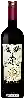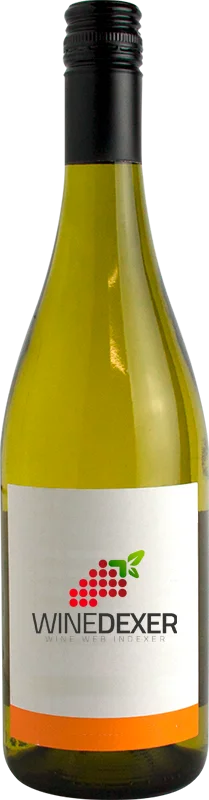
Winery Vega DemaraYlirum Verdejo
 White wine


In the mouth this white wine is a with a nice freshness.
This wine generally goes well with pork, vegetarian or shellfish.
Taste structure of the Ylirum Verdejo from the Winery Vega Demara
Light | Bold | |
Dry | Sweet | |
Soft | Acidic |
In the mouth the Ylirum Verdejo of Winery Vega Demara in the region of Castille is a with a nice freshness.
Wine flavors and olphactive analysis


On the nose the Ylirum Verdejo of Winery Vega Demara in the region of Castille often reveals types of flavors of vegetal.
Food and wine pairings with Ylirum Verdejo
Pairings that work perfectly with Ylirum Verdejo



Original food and wine pairings with Ylirum Verdejo

The Ylirum Verdejo of Winery Vega Demara matches generally quite well with dishes of pork, shellfish or vegetarian such as recipes of salty crumble with courgettes, goat cheese and bacon, easy seafood gratin or quiche without eggs.
Discover the grape variety: Verdejo
An ancient grape variety that has been cultivated for a long time, mainly in the Rueda region of northwestern Spain. D.N.A. tests show that it is the result of a natural cross between Savagnin and Castellana Blanco. It should not be confused with the Verdelho, which is very well known in Portugal, and the Verdelho Branco, which is almost more widespread. The Verdejo is registered in the Official Catalogue of wine grape varieties list A. It can also be found in the United States (Virginia, California, etc.), Australia, Portugal, etc., but is practically unknown in France.
Last vintages of this wine

The best vintages of Ylirum Verdejo from Winery Vega Demara are 2019, 2018, 0, 2017
Informations about the Winery Vega Demara
The Winery Vega Demara is one of of the world's greatest estates. It offers 18 wines for sale in the of La Mancha to come and discover on site or to buy online.

The wine region of La Mancha
The wine region of La Mancha is located in the region of Castille of Spain. Wineries and vineyards like the Domaine Cinco Estrellas or the Domaine Munoz produce mainly wines red, white and pink. The most planted grape varieties in the region of La Mancha are Tempranillo, Cabernet-Sauvignon and Merlot, they are then used in wines in blends or as a single variety. On the nose of La Mancha often reveals types of flavors of cherry, mint or jasmine and sometimes also flavors of sweet tobacco, graphite or grass.
The wine region of Castille
Castilla-La Mancha is a large region located South and east of the Spanish capital, Madrid. Inexpensive table wines are produced from a variety of Grapes. Higher quality wines are increasingly available, but the region is traditionally known as a source of low quality bulk wine. More than half of Spain's grapes are grown here.
The word of the wine: Maturing (champagne)
After riddling, the bottles are stored on "point", upside down, with the neck of one bottle in the bottom of the other. The duration of this maturation is very important: in contact with the dead yeasts, the wine takes on subtle aromas and gains in roundness and fatness. A brut without year must remain at least 15 months in the cellar after bottling, a vintage 36 months.