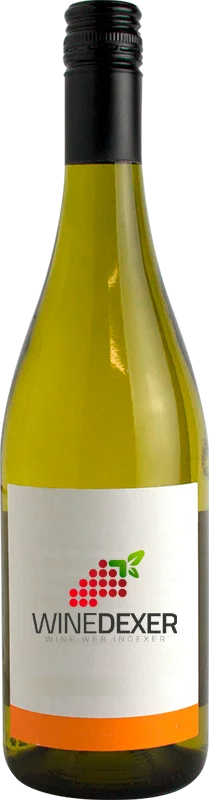
Winery VáliborSzürkebarát
 White wine


This wine generally goes well with
The Szürkebarát of the Winery Válibor is in the top 50 of wines of Badacsony.

Wine flavors and olphactive analysis

On the nose the Szürkebarát of Winery Válibor in the region of Balaton often reveals types of flavors of earth.
Details and technical informations about Winery Válibor's Szürkebarát.
Discover the grape variety: Saint Laurent
Structured and elegant reds with a deep ruby colour, fine tannins and an ample palate with preserved acidity, featuring signature aromas of red fruits (cherry, morello cherry), sweet spices and floral notes, a profile often compared to Pinot Noir. Also in age-worthy versions. Star of the great reds from Austrian Burgenland (Sankt Laurent). Autochthonous Austrian black grape, genetically related to Pinot Noir, grown in Austria and the Czech Republic.
Last vintages of this wine

The best vintages of Szürkebarát from Winery Válibor are 2018, 0, 2017
Informations about the Winery Válibor
The Winery Válibor is one of of the world's greatest estates. It offers 16 wines for sale in the of Badacsony to come and discover on site or to buy online.

The wine region of Badacsony
Emblematic zone of Hungarian Balaton, north shore on extinct volcanoes with unique basalt soils. Signature structured mineral whites: basalt releases potassium and magnesium, conferring striking minerality and salinity. Rare reborn native Kéknyelű with signature notes of lemon, white apple, fresh herbs and a smoky mineral touch. Olaszrizling (most planted) fresh, Szürkebarát (Pinot Gris) ample, taut Furmint.
The wine region of Balaton
Hungarian region around the largest lake in Central Europe, 6 zones including volcanic Badacsony. Signature Olaszrizling (Welschriesling), Hungary's most planted grape: lively, mineral whites with signature notes of almond, citrus, green apple, white flowers and a herbaceous touch, a crisp finish - a typical thirst-quenching wine. Also round Szürkebarát (Pinot Gris), ample Chardonnay, rare native Kéknyelű. Basalt in the north, lakeside climate.
The word of the wine: Thick
Said of a heavy, pasty wine lacking in finesse.