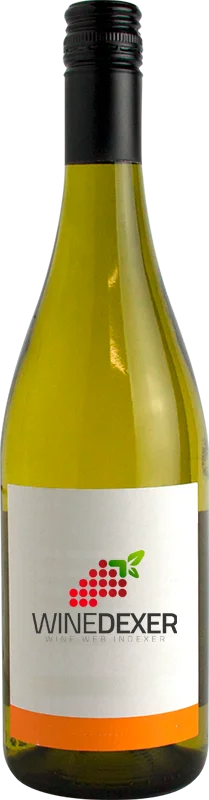
Winery VáliborBadacsonyi Budai
 White wine


This wine generally goes well with
The Badacsonyi Budai of the Winery Válibor is in the top 50 of wines of Badacsony.

Wine flavors and olphactive analysis

On the nose the Badacsonyi Budai of Winery Válibor in the region of Balaton often reveals types of flavors of citrus fruit.
Details and technical informations about Winery Válibor's Badacsonyi Budai.
Discover the grape variety: Ahmeur bou A(h)meur
Table grape with large bunches and juicy, crunchy grey-pink berries, firm flesh and pleasant sweet flavour. Late ripening, sensitive to winter frost. Rarely vinified; grown mainly as a table grape in warm regions and on trellises beside Mediterranean homes. Still found in North Africa, California, Argentina, Spain and Portugal. Grey variety of probable North African or Spanish origin.
Last vintages of this wine
The best vintages of Badacsonyi Budai from Winery Válibor are 0
Informations about the Winery Válibor
The Winery Válibor is one of of the world's greatest estates. It offers 16 wines for sale in the of Badacsony to come and discover on site or to buy online.

The wine region of Badacsony
Emblematic zone of Hungarian Balaton, north shore on extinct volcanoes with unique basalt soils. Signature structured mineral whites: basalt releases potassium and magnesium, conferring striking minerality and salinity. Rare reborn native Kéknyelű with signature notes of lemon, white apple, fresh herbs and a smoky mineral touch. Olaszrizling (most planted) fresh, Szürkebarát (Pinot Gris) ample, taut Furmint.
The wine region of Balaton
Hungarian region around the largest lake in Central Europe, 6 zones including volcanic Badacsony. Signature Olaszrizling (Welschriesling), Hungary's most planted grape: lively, mineral whites with signature notes of almond, citrus, green apple, white flowers and a herbaceous touch, a crisp finish - a typical thirst-quenching wine. Also round Szürkebarát (Pinot Gris), ample Chardonnay, rare native Kéknyelű. Basalt in the north, lakeside climate.
The word of the wine: Consistency
In tasting, it is the equivalent of chewing (the chewiness of a tannic red wine is also mentioned). We then speak of firmness, fluidity, softness, hardness, and why not the crunchiness of an early wine by reference to the grape.