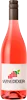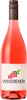
Winery ValcolombeNo. 3 Rosé
 Pink wine


In the mouth this pink wine is a with a nice freshness.
This wine generally goes well with pork, vegetarian or poultry.
The No. 3 Rosé of the Winery Valcolombe is in the top 10 of wines of Coteaux Varois en Provence.

Taste structure of the No. 3 Rosé from the Winery Valcolombe
Light | Bold | |
Dry | Sweet | |
Soft | Acidic |
In the mouth the No. 3 Rosé of Winery Valcolombe in the region of Provence is a with a nice freshness.
Food and wine pairings with No. 3 Rosé
Pairings that work perfectly with No. 3 Rosé



Original food and wine pairings with No. 3 Rosé

The No. 3 Rosé of Winery Valcolombe matches generally quite well with dishes of pork, shellfish or vegetarian such as recipes of texas style ribs / loin ribs, penne with shrimp and zucchini or quiche with leeks and fresh salmon from flo.
Details and technical informations about Winery Valcolombe's No. 3 Rosé.
Discover the grape variety: Posip
Structured, aromatic whites with a sustained golden colour, ample palate with preserved acidity, showing signature aromas of citrus (lemon, grapefruit), white flowers, dried apricot and characteristic salty marine notes from coastal limestone terroirs. Also made by extended maceration. Star of the insular white wines of Korčula, one of Croatia's great autochthonous whites. Croatian autochthonous white variety grown almost exclusively on the island of Korčula, in Dalmatia.
Last vintages of this wine

The best vintages of No. 3 Rosé from Winery Valcolombe are 2014
Informations about the Winery Valcolombe
The Winery Valcolombe is one of of the world's greatest estates. It offers 18 wines for sale in the of Coteaux Varois en Provence to come and discover on site or to buy online.

The wine region of Coteaux Varois en Provence
Provençal AOC of the Var hinterland (28 villages, ~2,229 ha) tempered by the Sainte-Baume massif. Signature rosés dominate (91%): pale robe with signature notes of strawberry, grapefruit, white peach, flowers (rose, garrigue) and a citrus touch, fresh and thirst-quenching palate — more structured and mineral than the coast thanks to altitude. Cinsault, Grenache, Syrah, Mourvèdre at the base, local Tibouren. Supple cherry-garrigue reds, Rolle and Clairette whites.
The wine region of Provence
World capital of dry, refined rosé (~90% of production). Pale rose-petal colour, delicate nose of fresh red fruits (strawberry, raspberry, redcurrant), citrus (pink grapefruit), white flowers and a mineral touch, taut and thirst-quenching palate — the Mediterranean aperitif par excellence. Blends of Grenache, Cinsault, Syrah, Tibouren and Mourvèdre. Fleshy Bandol reds from Mourvèdre (leather, garrigue, age-worthy), straight Cassis whites.
The word of the wine: Presses
The juice that results from pressing the grapes after fermentation. At the end of the maceration, the vats are emptied, the first juice obtained is called the free-run wine and the marc remaining at the bottom of the vat is then pressed to give the press wine. We say more quickly "the presses". Their quality varies according to the vintage and the maceration. A too vigorous extraction releases the tannins of pips and the wine of press can then prove to be very astringent. Often the winemaker raises it separately, deciding later whether or not to incorporate it totally or partially into the grand vin.