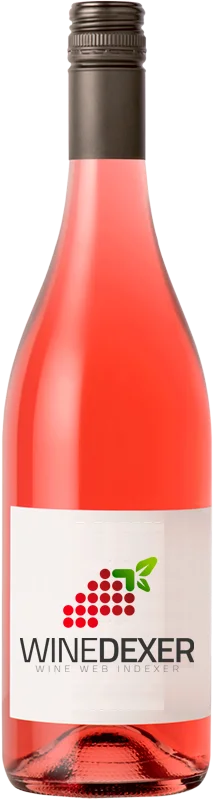
Winery VaccaroRosato di Nero d'Avola
 Pink wine



This wine generally goes well with vegetarian, beef or lamb.
Food and wine pairings with Rosato di Nero d'Avola
Pairings that work perfectly with Rosato di Nero d'Avola



Original food and wine pairings with Rosato di Nero d'Avola

The Rosato di Nero d'Avola of Winery Vaccaro matches generally quite well with dishes of beef, lamb or spicy food such as recipes of beef tagine with prunes and almonds, irish stew or rib steak, tomato sauce, peppers..
Details and technical informations about Winery Vaccaro's Rosato di Nero d'Avola.
Discover the grape variety: Nero d'Avola
Most certainly of Italian origin, more precisely from Sicily where it is very well known. It should be noted that a certain number of Italian grape varieties bear the synonym or name "calabrese", whether or not followed by an epithet, and care should be taken not to confuse them. Calabrese is also known in the United States, Italy, Bulgaria and Malta. In France, it is virtually absent from the vineyard, although it is listed in the Official Catalogue of Wine Grape Varieties, list A1.
Last vintages of this wine
The best vintages of Rosato di Nero d'Avola from Winery Vaccaro are 0
Informations about the Winery Vaccaro
The Winery Vaccaro is one of of the world's great estates. It offers 51 wines for sale in the of Sicily to come and discover on site or to buy online.

The wine region of Sicily
Sicily is the Southernmost region of Italy, and the largest island in the Mediterranean Sea. For over 2500 years, Sicily (Sicilia in Italian) has been an important centre of Mediterranean viticulture, although the reputation and style of its wines have changed considerably over time. The island was once best known for its Sweet muscatels (see Pantelleria), and later for its fortified Marsala. Today, many of its best-known wines are Dry table wines produced under the regional designation IGT Terre Siciliane, or Sicilia DOC (see below).
The word of the wine: Heida
See savagnin.