The Maison Noir of Oregon
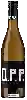
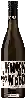
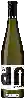
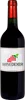
The Maison Noir is one of the best wineries to follow in Oregon.. It offers 27 wines for sale in of Oregon to come and discover on site or to buy online.
Looking for the best Maison Noir wines in Oregon among all the wines in the region? Check out our tops of the best red, white or effervescent Maison Noir wines. Also find some food and wine pairings that may be suitable with the wines from this area. Learn more about the region and the Maison Noir wines with technical and enological descriptions.
How Maison Noir wines pair with each other generally quite well with dishes of pork, game (deer, venison) or rich fish (salmon, tuna etc) such as recipes of basque piperade, rabbit provencale (mario style) or salmon and goat cheese quiche.
On the nose the white wine of Maison Noir. often reveals types of flavors of earth, oak or tree fruit and sometimes also flavors of citrus fruit, tropical fruit or non oak. In the mouth the white wine of Maison Noir. is a powerful with a nice freshness.
Oregon, located in the Pacific Northwest of the United States, is one of the youngest and most promising wine regions in the world. The state put itself on the international wine map in the late 1960s and has been building its position ever since. Production volumes have remained relatively quiet. The 2017 Oregon Vineyards and Wineries report recorded just under 34,000 acres (13,750 hectares) of planted vineyards.
California has more than ten times as much vineyard acreage as Oregon. Yet in the early 21st century, Oregon is considered a world-class wine region, especially for its Pinot noir. The classic Oregon Pinot has a Deepcherry red Color. It offers aromas of black cherries, stewed strawberries and an earthy edge.
How Maison Noir wines pair with each other generally quite well with dishes of beef, pasta or veal such as recipes of fricandeaux german style, chinese soy and chicken noodles (wok style) or pljeskavica (balkan hamburger).
On the nose the red wine of Maison Noir. often reveals types of flavors of non oak, earth or microbio and sometimes also flavors of oak, spices or citrus fruit. In the mouth the red wine of Maison Noir. is a with a nice freshness.
Pinot Gris is a grey grape variety mutated from Pinot Noir. It has its origins in Burgundy, where it is called pinot-beurot in reference to the colour of the grey robes worn by the monks of the region. Established in Alsace since the 17th century, pinot gris was called tokay until 2007. It is made up of bunches of small berries that vary in colour from pink to blue-grey. It is particularly well suited to the continental climate because it is resistant to the cold in winter and to spring frosts. This variety also likes dry limestone soils with plenty of sunshine in the summer. Pinot Gris is well suited to late harvesting or to the selection of noble grapes, depending on the year and the concentration of sugars in the berries. Pinot Gris wines are distinguished by their aromatic complexity of white fruits, mushrooms, honey, vanilla, cinnamon, etc., and their great finesse. In the Loire Valley, pinot gris is used in the Coteaux-d'Ancenis appellations. It gives dry or sweet wines with pear and peach aromas.
How Maison Noir wines pair with each other generally quite well with dishes of pork, rich fish (salmon, tuna etc) or vegetarian such as recipes of sausages with kale, braids of sole and salmon with morels or quiche without pastry, courgette and blue cheese.
On the nose the pink wine of Maison Noir. often reveals types of flavors of non oak, earth or microbio and sometimes also flavors of vegetal, oak or tree fruit.
Said of a wine that is a bit harsh and rough on the palate. Astringency often appears in young red wines that are rich in tannins and need to be rounded out.
Planning a wine route in the of Oregon? Here are the wineries to visit and the winemakers to meet during your trip in search of wines similar to Maison Noir.
Cabernet Franc is one of the oldest red grape varieties in Bordeaux. The Libourne region is its terroir where it develops best. The terroirs of Saint-Emilion and Fronsac allow it to mature and develop its best range of aromas. It is also the majority in many blends. The very famous Château Cheval Blanc, for example, uses 60% Cabernet Franc. The wines produced with Cabernet Franc are medium in colour with fine tannins and subtle aromas of small red fruits and spices. When blended with Merlot and Cabernet Sauvignon, it brings complexity and a bouquet of aromas to the wine. It produces fruity wines that can be drunk quite quickly, but whose great vintages can be kept for a long time. It is an earlier grape variety than Cabernet Sauvignon, which means that it is planted as far north as the Loire Valley. In Anjou, it is also used to make sweet rosé wines. Cabernet Franc is now used in some twenty countries in Europe and throughout the world.