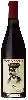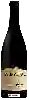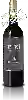
Winery Trois CalicesRouge
 Red wine
This wine generally goes well with poultry, beef or lamb.
Food and wine pairings with Rouge
Pairings that work perfectly with Rouge



Original food and wine pairings with Rouge

The Rouge of Winery Trois Calices matches generally quite well with dishes of beef, pasta or lamb such as recipes of cicadas at the chib, elodie's pasta risotto or lamb marinated in white wine.
Details and technical informations about Winery Trois Calices's Rouge.
Discover the grape variety: Romorantin
Romorantin is a white grape variety named after the town in the Loir-et-Cher region where it originated. It was François 1er who planted the first Romorantin vines here in 1519, and it has gradually been replaced by Sauvignon, considered more aromatic, and is only planted in the Loir-et-Cher region, where it is the source of the Cour-Cheverny AOC. Its bunches of small white berries, which turn pink when ripe, are resistant to grey rot. Cour-Cheverny wines are fruity white wines with aromas of white flowers, citrus fruit and honey. Their lively, full-bodied character means they can be enjoyed after a few years' storage.
Informations about the Winery Trois Calices
The Winery Trois Calices is one of of the world's greatest estates. It offers 4 wines for sale in the of Languedoc to come and discover on site or to buy online.

The wine region of Languedoc
Languedoc (formerly Coteaux du Languedoc) is a key appellation used in the Languedoc-Roussillon wine region of southern France. It covers Dry table wines of all three colors (red, white and rosé) from the entire region, but leaves Sweet and Sparkling wines to other more specialized appellations. About 75% of all Languedoc wines are red, with the remaining 25% split roughly down the middle between whites and rosés. The appellation covers most of the Languedoc region and almost a third of all the vineyards in France.
The wine region of Languedoc-Roussillon
Languedoc (formerly Coteaux du Languedoc) is a key appellation used in the Languedoc-Roussillon wine region of southern France. It covers Dry table wines of all three colors (red, white and rosé) from the entire region, but leaves Sweet and Sparkling wines to other more specialized appellations. About 75% of all Languedoc wines are red, with the remaining 25% split roughly down the middle between whites and rosés. The appellation covers most of the Languedoc region and almost a third of all the vineyards in France.
The word of the wine: Primeur (purchase in)
Purchase made shortly after the harvest and before the wine is ready for consumption.