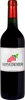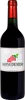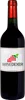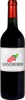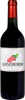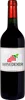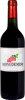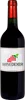
Winery TrapicheAstica Red Blend
 Red wine


This wine generally goes well with
Wine flavors and olphactive analysis

Details and technical informations about Winery Trapiche's Astica Red Blend.
Discover the grape variety: Barlinka
- Origin : Very well known in South Africa, it was imported into this country in 1910 from Algeria and then mainly cultivated as a table grape... attempts at vinification were made but without success. It is also known in Portugal, ... in France it is almost unknown.
Last vintages of this wine

The best vintages of Astica Red Blend from Winery Trapiche are 2014, 2015, 2013, 2011 and 0.
Informations about the Winery Trapiche
The Winery Trapiche is one of wineries to follow in La Rioja.. It offers 343 wines for sale in the of La Rioja to come and discover on site or to buy online.

The wine region of La Rioja
La Rioja is a wine region in the foothills of the Andes Mountains in western Argentina, North of Mendoza and San Juan. Unlike its Spanish namesake, it has traditionally been associated most closely with white wines. The mountainous Terroir of the region is particularly suited to the Torrontés Riojano variety, which produces Fruity, Soft, Aromatic whites. Bonarda, Syrah, Cabernet Sauvignon and Malbec can also be found growing throughout the region.
The word of the wine: Lightning
Large capacity barrel.