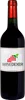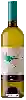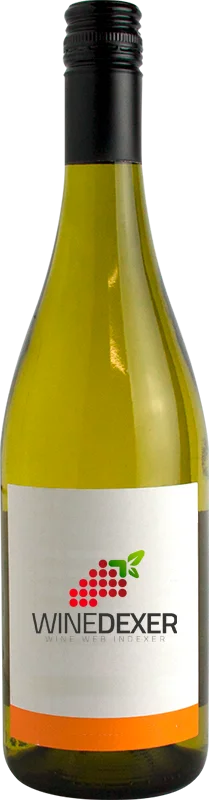
Winery Torre a CenaiaDolce Peccato
 Sweet wine



This wine generally goes well with pork, vegetarian or beef.

Wine flavors and olphactive analysis

On the nose the Dolce Peccato of Winery Torre a Cenaia in the region of Tuscany often reveals types of flavors of earth.
Food and wine pairings with Dolce Peccato
Pairings that work perfectly with Dolce Peccato



Original food and wine pairings with Dolce Peccato



The Dolce Peccato of Winery Torre a Cenaia matches generally quite well with dishes of beef, lamb or pork such as recipes of shoulder of suckling lamb confit with herbs, crusted lamb fillets with sweet spices or chinchards with white wine and grapes.
Details and technical informations about Winery Torre a Cenaia's Dolce Peccato.
Discover the grape variety: Cabernet_Dorio
Intensely coloured, structured reds with an ink-dark robe, firm tannins and a dense palate of blackfruit (blackcurrant, blackberry), black cherry, plum, spices, black pepper and balsamic notes. Grown mainly in Germany (Württemberg, Palatinate) for modern dry reds and tannin-forward blends adding colour and structure. German hybrid created in 1971 at Weinsberg (blaufränkisch × dornfelder), prized for its robustness and intensity.
Last vintages of this wine
The best vintages of Dolce Peccato from Winery Torre a Cenaia are 2015, 0
Informations about the Winery Torre a Cenaia
The Winery Torre a Cenaia is one of of the world's great estates. It offers 22 wines for sale in the of Tuscany to come and discover on site or to buy online.

The wine region of Tuscany
Kingdom of Sangiovese: upright reds with cherry, plum, dried herbs and leather, lively acidity and firm tannins. Fleshy, food-friendly Chianti Classico DOCG, deep long-ageing Brunello di Montalcino (spice, tobacco, ripe black fruit), elegant Vino Nobile di Montepulciano. On the coast, Bolgheri crafts the opulent Cabernet- and Merlot-based 'Super Tuscans'. Some fresh white Vernaccia.
The word of the wine: Rosé de saignée
A method of making rosé wine that consists of partially draining a vat of red wine after a few hours of maceration. The longer the maceration, the stronger the colour. This practice gives rich and expressive rosés.