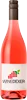
Winery Tollinche FreresLa Pontaliere Rosé
 Pink wine
This wine generally goes well with beef, lamb or mature and hard cheese.
Food and wine pairings with La Pontaliere Rosé
Pairings that work perfectly with La Pontaliere Rosé



Original food and wine pairings with La Pontaliere Rosé

The La Pontaliere Rosé of Winery Tollinche Freres matches generally quite well with dishes of beef, lamb or spicy food such as recipes of ramen burger, leg of lamb with herb stuffing or pasta with shrimp.
Details and technical informations about Winery Tollinche Freres's La Pontaliere Rosé.
Discover the grape variety: Rkatziteli
Originally from Georgia, it is the main grape variety in the production of white wines, particularly in eastern Georgia. It is also found in Canada, China, the United States, New Zealand, Australia and a large number of Eastern European countries. In France, it is practically unknown, which seems surprising given its qualities.
Informations about the Winery Tollinche Freres
The Winery Tollinche Freres is one of of the world's greatest estates. It offers 53 wines for sale in the of Pays d'Oc to come and discover on site or to buy online.

The wine region of Pays d'Oc
Pays d'Oc is the PGI for red, white and rosé wines that are produced over a wide area of the southern coast of France. The PGI catchment area corresponds roughly to the Languedoc-roussillon">Languedoc-Roussillon wine region, one of the largest wine regions in France. The area covers all wines that are not produced under the strict laws that govern AOC-level appellations in the regions: among them, Corbières, Minervois and the Languedoc appellation itself. The Pays d'Oc PGI is arguably the most important in France, producing the majority of the country's PGI wines.
The word of the wine: Physiological maturity
The stage of ripeness of the grape berry when it has reached an optimal weight and when the sugar and acidity levels have stabilized.