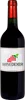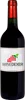
Winery Three ChoirsHampshire Oak Aged Red
 Red wine



This wine generally goes well with
The Hampshire Oak Aged Red of the Winery Three Choirs is in the top 30 of wines of England.
Wine flavors and olphactive analysis



On the nose the Hampshire Oak Aged Red of Winery Three Choirs in the region of England often reveals types of flavors of non oak, oak or spices and sometimes also flavors of black fruit.
Details and technical informations about Winery Three Choirs's Hampshire Oak Aged Red.
Discover the grape variety: Triomphe d'Alsace
An interspecific cross between the 101-14 Millardet and Grasset (Vitis Riparia x Vitis Rupestris) and the knipperlé, obtained by Eugène Kuhlmann around 1911 and marketed from 1921. It can still be found in England, the United States, Canada, the Netherlands and Belgium. It should be noted that there is a grape variety of American origin, fortunately white, bearing the name of triumph (concord x chasselas musqué).
Last vintages of this wine
The best vintages of Hampshire Oak Aged Red from Winery Three Choirs are 0, 2016
Informations about the Winery Three Choirs
The Winery Three Choirs is one of of the world's great estates. It offers 40 wines for sale in the of England to come and discover on site or to buy online.

The wine region of England
England, although more famous for gin and beer, has been producing wine since Roman Imperial times (100 – 400 AD). Historically the country has not been known for the quality of its winemaking, inhibited by its northerly latitude and resulting cool Climate. However the last decade or so has seen considerable progress and expansion, and increases in planting of noble Grape varieties. Significant chaptilzation to off-set the high Acidity of under-ripe grapes was once common practice but since the 1970s and particularly since the turn of the millennium natural sugar levels have increased in the Vineyard and wines have increased in quality and reputation.
The word of the wine: Basic wine
Dry, still wine intended for the production of sparkling wines (champagne, crémants, etc.). The basic wines undergo a second fermentation in the bottle for the production of carbon dioxide, and therefore of bubbles.