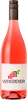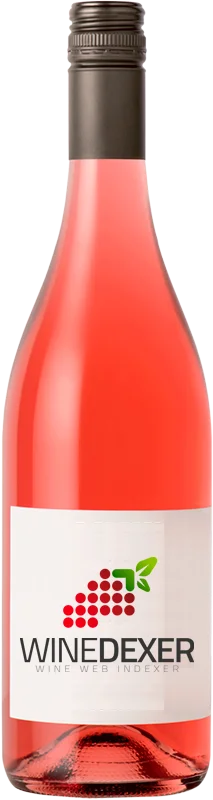
Winery TheophanousEleni Shiraz - Mataro Dry Rosé
 Pink wine



This wine generally goes well with beef, lamb or mature and hard cheese.
Food and wine pairings with Eleni Shiraz - Mataro Dry Rosé
Pairings that work perfectly with Eleni Shiraz - Mataro Dry Rosé



Original food and wine pairings with Eleni Shiraz - Mataro Dry Rosé

The Eleni Shiraz - Mataro Dry Rosé of Winery Theophanous matches generally quite well with dishes of beef, lamb or spicy food such as recipes of enchiladas franchouillards, berber giblet frying pan or garantita or karantita (algerian recipe).
Details and technical informations about Winery Theophanous's Eleni Shiraz - Mataro Dry Rosé.
Discover the grape variety: Schuyler
A complex interspecific cross between zinfandel and ontario (winchelle x diamond) obtained in 1932 by Wellington Richard. and Oberle G.D. at Cornell University in Geneva (United States). It can also be found in Canada, almost unknown in France. We noted that the boskoop glory resembles somewhat the Schuyler even if the origins, each time put forward, are quite different, to be followed!
Last vintages of this wine
The best vintages of Eleni Shiraz - Mataro Dry Rosé from Winery Theophanous are 0
Informations about the Winery Theophanous
The Winery Theophanous is one of of the world's greatest estates. It offers 3 wines for sale in the of Paphos to come and discover on site or to buy online.

The wine region of Paphos
Western Cyprus, high-altitude vineyards on the Troodos, limestone soils, dry Mediterranean climate. Signature Maratheftiko as red king (rare native): elegant and deep with blackberry, cherry, plum, violet, maquis herbs and graphite touch, firm tannins. Xynisteri as star white (most planted on the island): fresh and taut (citrus, green apple, almond). Ancient Mavro, base of Commandaria — the oldest named wine in the world, sweet and opulent (raisin, fig, honey, cocoa).
The word of the wine: Bleeding
Old practice for red wines. As soon as the vat is filled with grapes, the tap is opened. A sweet but clear juice escapes from the vat (it can also be used to make rosé). The colour and density of the juice is enhanced, but it should not be overdone. Rarely more than 10% of the volume of a vat, otherwise you risk losing fruit and bringing in bitterness.