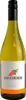
Winery Tenute San LeoneEva Garganega
 White wine
In the mouth this white wine is a powerful.
This wine generally goes well with lean fish, shellfish or mature and hard cheese.

Taste structure of the Eva Garganega from the Winery Tenute San Leone
Light | Bold | |
Dry | Sweet | |
Soft | Acidic |
In the mouth the Eva Garganega of Winery Tenute San Leone in the region of Veneto is a powerful.
Food and wine pairings with Eva Garganega
Pairings that work perfectly with Eva Garganega



Original food and wine pairings with Eva Garganega


The Eva Garganega of Winery Tenute San Leone matches generally quite well with dishes of pasta, shellfish or mature and hard cheese such as recipes of pho ga (vietnamese chicken soup), seafood pastilla or croque monsieur and comté cheese.
Details and technical informations about Winery Tenute San Leone's Eva Garganega.
Discover the grape variety: Garganega
Structured, aromatic whites with a round palate and fresh acidity, with aromas of fresh almond, white flowers, yellow apple, pear, citrus and volcanic mineral notes. Typical bitter almond finish. Made as noble dry whites (Soave Classico DOC, Soave Superiore DOCG) and sumptuous passito dessert wines (Recioto di Soave DOCG). Also in Gambellara DOC. Native Venetian variety from the volcanic hills south-east of Verona.
Informations about the Winery Tenute San Leone
The Winery Tenute San Leone is one of of the world's great estates. It offers 39 wines for sale in the of Veneto to come and discover on site or to buy online.

The wine region of Veneto
World star of Prosecco: fresh, light Glera sparklers with notes of pear, green apple and white flowers, fruity, convivial bubbles. Veronese reds from Corvina and Rondinella: light, crisp Bardolino, fruity Valpolicella, opulent, concentrated Amarone DOCG (black cherry, chocolate, raisin) from dried grapes. Mineral, almondy Soave (Garganega) whites, fresh Pinot Grigio. 97,500 ha, Italy's largest production.
The word of the wine: Powdery mildew
Disease of the vine due to a fungus. Less dreadful than mildew, it only attacks the surface of the green parts. Sulphur has long been the best remedy.