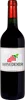
Winery Tenuta MericoL'Adelaide
 Red wine


In the mouth this red wine is a powerful.
This wine generally goes well with beef, lamb or pasta.

Taste structure of the L'Adelaide from the Winery Tenuta Merico
Light | Bold | |
Smooth | Tannic | |
Dry | Sweet | |
Soft | Acidic |
In the mouth the L'Adelaide of Winery Tenuta Merico in the region of Puglia is a powerful.
Food and wine pairings with L'Adelaide
Pairings that work perfectly with L'Adelaide



Original food and wine pairings with L'Adelaide
The L'Adelaide of Winery Tenuta Merico matches generally quite well with dishes of beef, pasta or lamb such as recipes of wild boar with honey, lasagna bolognese or leg of lamb with spices.
Details and technical informations about Winery Tenuta Merico's L'Adelaide.
Discover the grape variety: Robin noir
Light, simple reds with a pale ruby robe, soft tannins and an airy palate, with modest red fruit aromas. Discreet rustic profile. Almost extinct, preserved in INRAE varietal collections for its heritage value; bears witness to the pre-phylloxera ampelographic diversity of French vineyards. Rare French black grape, once grown in the centre-east.
Last vintages of this wine
The best vintages of L'Adelaide from Winery Tenuta Merico are 0
Informations about the Winery Tenuta Merico
The Winery Tenuta Merico is one of of the world's greatest estates. It offers 10 wines for sale in the of Puglia to come and discover on site or to buy online.

The wine region of Puglia
Heel of the boot, 80% red vineyard, sunny and generous. Fleshy, jammy Primitivo (= Zinfandel) with notes of black cherry, plum, chocolate and spices, powerful alcohol and melted tannins, a star in Primitivo di Manduria. Deep, structured Negroamaro (black-bitter) with a bitter finish in Salice Salentino. Structured Nero di Troia, spicy Susumaniello.
The word of the wine: Performance
Quantity of grapes harvested per hectare. In AOC, the average yield is limited on the proposal of the appellation syndicate, validated by the Inao. The use of high-performance plant material (especially clones) and better control of vine diseases have increased yields. This is not without consequences on the quality of the wines (dilution) and on the state of the market (too much wine). We must not over-simplify: low yields are not synonymous with quality, and it is often in years with generous harvests that we find the greatest vintages (1982 and 1986 in Bordeaux, 1996 in Champagne, 1990 and 2005 in Burgundy...).