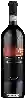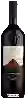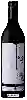
Winery Tenuta JuliaSelezione Corvineo
 Red wine



In the mouth this red wine is a powerful.
This wine generally goes well with beef, game (deer, venison) or lamb.
Taste structure of the Selezione Corvineo from the Winery Tenuta Julia
Light | Bold | |
Smooth | Tannic | |
Dry | Sweet | |
Soft | Acidic |
In the mouth the Selezione Corvineo of Winery Tenuta Julia in the region of Veneto is a powerful.
Food and wine pairings with Selezione Corvineo
Pairings that work perfectly with Selezione Corvineo



Original food and wine pairings with Selezione Corvineo

The Selezione Corvineo of Winery Tenuta Julia matches generally quite well with dishes of beef, pasta or lamb such as recipes of tanjia, pasta with chicken, peppers and mushrooms or oriental stew with couscous.
Details and technical informations about Winery Tenuta Julia's Selezione Corvineo.
Discover the grape variety: Madina
Crossing obtained in 1964 between the cardinal and the sultana, registered in 1989 in the Official Catalogue of table grape varieties list A1.
Last vintages of this wine
The best vintages of Selezione Corvineo from Winery Tenuta Julia are 0
Informations about the Winery Tenuta Julia
The Winery Tenuta Julia is one of of the world's greatest estates. It offers 3 wines for sale in the of Veneto to come and discover on site or to buy online.

The wine region of Veneto
Veneto is an important and growing wine region in northeastern Italy. Veneto is administratively Part of the Triveneto area, aLong with its smaller neighbors, Trentino-Alto Adige and Friuli-Venezia Giulia. In terms of geography, culture and wine styles, it represents a transition from the Alpine and Germanic-Slavic end of Italy to the warmer, drier, more Roman lands to the South. Veneto is slightly smaller than the other major Italian wine regions - Piedmont, Tuscany, Lombardy, Puglia and Sicily - but it produces more wine than any of them.
The word of the wine: Sulphur
An antiseptic and antioxidant substance known since antiquity, probably already used by the Romans. But it was only in modern times that its use was rediscovered. It will allow a better conservation of the wine and thus favour its export. Sulphur also gave the 18th century winegrower the possibility of extending the maceration period without fearing that the wine would turn sour and thus go from dark rosé wines to the red wines of today. Excessive sulphur, on the other hand, kills happiness, paralysing the aromas and causing headaches.