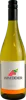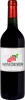
Winery Tempus TwoUno Shiraz - Viognier
 Red wine
This wine generally goes well with poultry, beef or game (deer, venison).
Food and wine pairings with Uno Shiraz - Viognier
Pairings that work perfectly with Uno Shiraz - Viognier



Original food and wine pairings with Uno Shiraz - Viognier

The Uno Shiraz - Viognier of Winery Tempus Two matches generally quite well with dishes of beef, lamb or game (deer, venison) such as recipes of kig ar farz breton, lamb parmentine with eggplant and spices or duck confit.
Details and technical informations about Winery Tempus Two's Uno Shiraz - Viognier.
Discover the grape variety: Dan ben Hannah
A cross between the black mikveh (Hamburg muscatel x black balouti) and the Alphonse Lavallée obtained in 1951 and in Israel by Netanel Hochberg. Dan ben Hannah or black emperor - not to be confused with emperor - is mainly grown in South Africa.
Informations about the Winery Tempus Two
The Winery Tempus Two is one of of the world's great estates. It offers 99 wines for sale in the of Barossa Valley to come and discover on site or to buy online.

The wine region of Barossa Valley
The wine region of Barossa Valley is located in the region of Barossa of Australie du Sud of Australia. We currently count 613 estates and châteaux in the of Barossa Valley, producing 2290 different wines in conventional, organic and biodynamic agriculture. The wines of Barossa Valley go well with generally quite well with dishes .
The wine region of Australie du Sud
SouthAustralia is one of Australia's six states, located (as the name suggests) in the south of the vast island continent. It's the engine room of the Australian wine industry, responsible for about half of the country's total production each year. But there's more to the region than quantity - countless high-quality wines are produced here, most from the region's signature Grape, Shiraz. These include such fine, collectible wines as Penfolds Grange, Henschke Hill of Grace, Torbreck The Laird and d'Arenberg The Dead Arm.
The word of the wine: Aging on lees
Maturing on the lees enhances the stability, aromatic complexity and texture of white wines, which gain in body and volume. This phenomenon is induced by autolysis, the process of self-degradation of the lees.