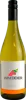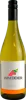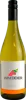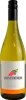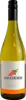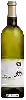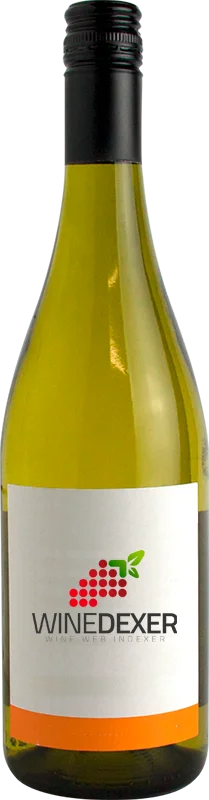
Winery TakahataFuniculi Funicula de Kimula Chardonnay
 White wine



This wine generally goes well with pork, vegetarian or poultry.

Food and wine pairings with Funiculi Funicula de Kimula Chardonnay
Pairings that work perfectly with Funiculi Funicula de Kimula Chardonnay



Original food and wine pairings with Funiculi Funicula de Kimula Chardonnay

The Funiculi Funicula de Kimula Chardonnay of Winery Takahata matches generally quite well with dishes of pork, rich fish (salmon, tuna etc) or vegetarian such as recipes of ham and cheese omelette, pasta salmon - fresh cream or magic cake cheese quiche.
Details and technical informations about Winery Takahata's Funiculi Funicula de Kimula Chardonnay.
Discover the grape variety: Chardonnay
Whites with many faces: mineral and taut at Chablis (lemon, green apple, flint), opulent and buttery at Meursault and Puligny-Montrachet (hazelnut, brioche, yellow fruits), tense and chalky in Champagne (Blanc de Blancs). Also vinified sparkling and widely exported (Sonoma, Margaret River, Casablanca). A Burgundian variety, a cross of Pinot Noir × Gouais Blanc, half-sibling of Aligoté.
Last vintages of this wine
The best vintages of Funiculi Funicula de Kimula Chardonnay from Winery Takahata are 2015, 0, 2017
Informations about the Winery Takahata
The Winery Takahata is one of of the world's greatest estates. It offers 53 wines for sale in the of Yamanashi-ken to come and discover on site or to buy online.

The wine region of Yamanashi-ken
Japanese winemaking heart at the foot of Mount Fuji, signature in Koshu. Identity-driven native white (~90% of Japanese plantings): delicate, precise dry whites with notes of citrus (yuzu, lime), green apple, white flowers and a slightly saline finish, low alcohol and great freshness. Ideal with sushi and Japanese cuisine. Also Chardonnay and Merlot in the altitude zones of Akeno.
The word of the wine: Disgorging (champagne)
This is the evacuation of the deposit formed by the yeasts during the second fermentation in the bottle, by opening the bottle. The missing volume is completed with the liqueur de dosage - a mixture of wine and cane sugar - before the final cork is placed. For some years now, some producers have been replacing this sugar with rectified concentrated musts (concentrated grape juice) which give excellent results. A too recent dosage (less than three months) harms the gustatory harmony of the champagne.