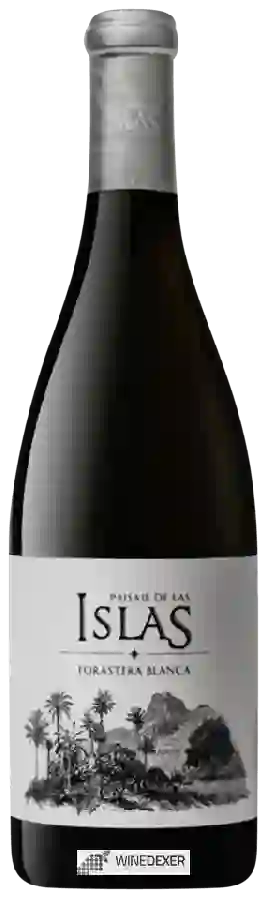
Winery TajinastePaisaje de las Islas Forastera Blanca
 White wine


This wine generally goes well with
Wine flavors and olphactive analysis




On the nose the Paisaje de las Islas Forastera Blanca of Winery Tajinaste in the region of Iles Canaries often reveals types of flavors of earth, spices or citrus fruit.
Details and technical informations about Winery Tajinaste's Paisaje de las Islas Forastera Blanca.
Discover the grape variety: Perlon
A dual purpose grape variety (table and vat) obtained in Argentina by Angel Antonio Gargiulo by crossing the Emperor and the Perlette. It can also be found in Spain, Italy, Venezuela, etc. It should not be confused with perlona, which is a white grape variety of Italian origin. The crossing between the (ohanès x cardinal) and the Perlon (father) made it possible to obtain the big perlon, black table grape.
Last vintages of this wine

The best vintages of Paisaje de las Islas Forastera Blanca from Winery Tajinaste are 2017, 0, 2014
Informations about the Winery Tajinaste
The Winery Tajinaste is one of of the world's greatest estates. It offers 20 wines for sale in the of Iles Canaries to come and discover on site or to buy online.

The wine region of Iles Canaries
The archipelago of the Canary Islands (or Las Canarias) is an autonomous community of Spain located in the North Atlantic Ocean, 110 km from the west coast of Morocco. The wine trade there is far from famous - few local wines come out of the Canary Islands - but there is a Long and unique wine tradition in the region. The spectacularly high Canary Islands are located at a latitude of about 28°N, making it the most tropical wine region in Europe. It was thanks to this position, once traversed by naval trade routes, that the local wine industry flourished, shortly after the islands came under Spanish control in the early 15th century.
The word of the wine: Dryer
Term that characterizes a hard and tannic wine.