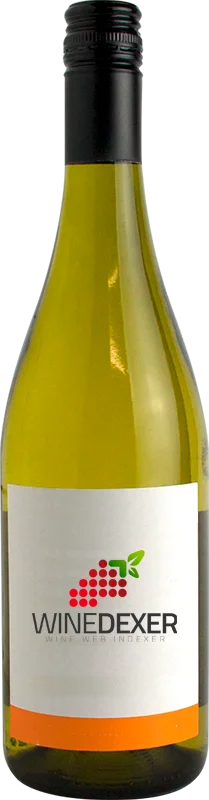
Winery Старосел (Starosel)Sauvignon Blanc
 White wine



This wine generally goes well with vegetarian, rich fish (salmon, tuna etc) or shellfish.
The Sauvignon Blanc of the Winery Старосел (Starosel) is in the top 70 of wines of Thrace.

Wine flavors and olphactive analysis



On the nose the Sauvignon Blanc of Winery Старосел (Starosel) in the region of Thrace often reveals types of flavors of earth, vegetal or citrus fruit and sometimes also flavors of tropical fruit.
Food and wine pairings with Sauvignon Blanc
Pairings that work perfectly with Sauvignon Blanc



Original food and wine pairings with Sauvignon Blanc
The Sauvignon Blanc of Winery Старосел (Starosel) matches generally quite well with dishes of rich fish (salmon, tuna etc), shellfish or vegetarian such as recipes of salmon steaks with cream sauce, linguine with shrimp and spicy tomato sauce or zucchini quiche.
Details and technical informations about Winery Старосел (Starosel)'s Sauvignon Blanc.
Discover the grape variety: Perera
Lively and fruity dry whites with a pale golden robe, a supple palate with moderate acidity, showing signature aromas of white-fleshed fruits (pear, apple), white flowers and Venetian herbaceous notes. Also as taut and refreshing Charmat-method sparkling wines. Traditional component of Prosecco DOC and Conegliano Valdobbiadene Prosecco Superiore DOCG alongside Glera. Native white Italian grape from Veneto, grown in the province of Treviso.
Last vintages of this wine
The best vintages of Sauvignon Blanc from Winery Старосел (Starosel) are 2018, 0, 2017, 2016
Informations about the Winery Старосел (Starosel)
The Winery Старосел (Starosel) is one of of the world's great estates. It offers 17 wines for sale in the of Thrace to come and discover on site or to buy online.

The wine region of Thrace
Eastern region shared between Turkey, Greece and Bulgaria, a fascinating native palette. On the Turkish side, Öküzgözü ("ox eye") is the signature red: deep ruby with signature notes of ripe cherry, raspberry, plum, spice and a floral touch, supple tannins and lively acidity. More tannic, structured Boğazkere, local Papazkarası. Fresh Narince whites (citrus, flowers, almond), lively Emir.
The word of the wine: Disgorging (champagne)
This is the evacuation of the deposit formed by the yeasts during the second fermentation in the bottle, by opening the bottle. The missing volume is completed with the liqueur de dosage - a mixture of wine and cane sugar - before the final cork is placed. For some years now, some producers have been replacing this sugar with rectified concentrated musts (concentrated grape juice) which give excellent results. A too recent dosage (less than three months) harms the gustatory harmony of the champagne.