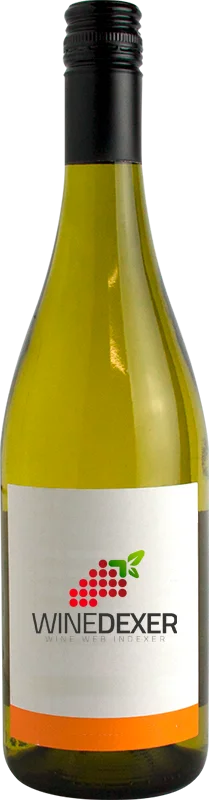
Domaine Saint Roch (Denis Bardon)Chenonceaux Touraine
 White wine


This wine generally goes well with

Details and technical informations about Domaine Saint Roch (Denis Bardon)'s Chenonceaux Touraine.
Discover the grape variety: Gamay blanc Gloriod
Supple, fruity whites to drink young, pale golden, with an airy palate and moderate acidity, showing aromas of white fruits (apple, pear), white flowers and subtle notes. Accessible and thirst-quenching profile. Now rare, grown in small quantities in Beaujolais and Mâconnais for artisanal cuvées. White-skinned mutation of Gamay noir, obtained in Beaujolais by Henri Gloriod in the 20th century.
Last vintages of this wine
The best vintages of Chenonceaux Touraine from Domaine Saint Roch (Denis Bardon) are 0
Informations about the Domaine Saint Roch (Denis Bardon)
The Domaine Saint Roch (Denis Bardon) is one of of the world's great estates. It offers 36 wines for sale in the of Touraine to come and discover on site or to buy online.

The wine region of Touraine
Signature Sauvignon as king of Touraine whites (~80% of plantings): dry, expressive with notes of citrus, green apple, gooseberry, white flowers, exotic fruit and a touch of boxwood, lively acidity — ideal aperitif. Gamay as a juicy, crunchy red (cherry, raspberry, discreet tannins), more structured Cabernet Franc (bell pepper, raspberry) and dense Côt to complete it. Chenin and Chardonnay among whites. Vast Loire AOC between Blois and Tours, tuffeau and flint.
The wine region of Loire Valley
Kingdom of lively, dry whites and fine sparklers. Mineral, taut Sauvignon Blanc (Sancerre, Pouilly-Fumé) with citrus and gunflint notes. Multiform Chenin Blanc (Vouvray, Savennières, Layon): straight dry, floral off-dry or noble sweet honey-quince. Saline, iodised Muscadet (Melon B.
The word of the wine: Sulphur
An antiseptic and antioxidant substance known since antiquity, probably already used by the Romans. But it was only in modern times that its use was rediscovered. It will allow a better conservation of the wine and thus favour its export. Sulphur also gave the 18th century winegrower the possibility of extending the maceration period without fearing that the wine would turn sour and thus go from dark rosé wines to the red wines of today. Excessive sulphur, on the other hand, kills happiness, paralysing the aromas and causing headaches.