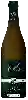
Winery Spitalkellerei KonstanzGrauburgunder
 White wine



In the mouth this white wine is a .
This wine generally goes well with pork, cured meat or mushrooms.

Taste structure of the Grauburgunder from the Winery Spitalkellerei Konstanz
Light | Bold | |
Dry | Sweet | |
Soft | Acidic |
In the mouth the Grauburgunder of Winery Spitalkellerei Konstanz in the region of Baden is a .
Wine flavors and olphactive analysis

On the nose the Grauburgunder of Winery Spitalkellerei Konstanz in the region of Baden often reveals types of flavors of earth, tree fruit.
Food and wine pairings with Grauburgunder
Pairings that work perfectly with Grauburgunder


Original food and wine pairings with Grauburgunder

The Grauburgunder of Winery Spitalkellerei Konstanz matches generally quite well with dishes of pork, spicy food or mushrooms such as recipes of wild boar stew, couscous chicken and merguez or veal chop normandy style.
Details and technical informations about Winery Spitalkellerei Konstanz's Grauburgunder.
Discover the grape variety: Viosinho
Structured, aromatic dry whites with a pale golden colour, an ample palate and preserved acidity, showing refined aromas of citrus (lemon, orange), white flowers (acacia, orange blossom), yellow fruits (pear, peach, apricot) and schistous mineral notes. Fine ageing and cellaring potential. An essential component of the great whites of Douro DOC and white Port. Indigenous Portuguese variety of the Douro and Trás-os-Montes, signature of north-eastern Portugal.
Last vintages of this wine
The best vintages of Grauburgunder from Winery Spitalkellerei Konstanz are 0
Informations about the Winery Spitalkellerei Konstanz
The Winery Spitalkellerei Konstanz is one of of the world's great estates. It offers 32 wines for sale in the of Baden to come and discover on site or to buy online.

The wine region of Baden
German capital of Pinot Noir (Spätburgunder): silky, fine reds with notes of red fruits, cherry, undergrowth and sweet spices, melted tannins. Round Grauburgunder (Pinot Gris), lively Weissburgunder, supple Müller-Thurgau, mineral Riesling. Germany's 3rd region (15,000 ha) in Baden-Württemberg facing Alsace, one of the country's warmest climates, volcanic soils at the Kaiserstuhl. Cradle of modern great German reds, elegant and fine.
The word of the wine: Harmonious
Balance of the different organoleptic elements of a wine. This harmony is linked to the typicity of each wine. The sweetness of a sweet wine is an element of its balance, whereas a Sancerre or a Chablis will be asked to be lively and dry.