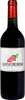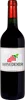
Winery Spanish StoryGarnacha
 Red wine



In the mouth this red wine is a powerful with a nice balance between acidity and tannins.
This wine generally goes well with poultry, beef or veal.

Taste structure of the Garnacha from the Winery Spanish Story
Light | Bold | |
Smooth | Tannic | |
Dry | Sweet | |
Soft | Acidic |
In the mouth the Garnacha of Winery Spanish Story in the region of Rioja is a powerful with a nice balance between acidity and tannins.
Wine flavors and olphactive analysis

Food and wine pairings with Garnacha
Pairings that work perfectly with Garnacha



Original food and wine pairings with Garnacha

The Garnacha of Winery Spanish Story matches generally quite well with dishes of beef, lamb or veal such as recipes of tournedos rossini with port sauce, lamb confit with new potatoes or sliced endives with ham.
Details and technical informations about Winery Spanish Story's Garnacha.
Discover the grape variety: Welschriesling
Lively and aromatic dry whites with a pale golden robe, a supple palate and preserved acidity, with signature aromas of citrus (lemon), white flowers (acacia), almond and white-fleshed fruits. Also a pillar of botrytised dessert wines (Austrian TBA) — round and candied. Grown in Austria, northern Italy (Riesling Italico), Hungary (Olaszrizling), Croatia (Graševina) and Romania. Native Central European white grape with no genetic link to German Riesling.
Last vintages of this wine
The best vintages of Garnacha from Winery Spanish Story are 2013, 0
Informations about the Winery Spanish Story
The Winery Spanish Story is one of of the world's greatest estates. It offers 7 wines for sale in the of Rioja to come and discover on site or to buy online.

The wine region of Rioja
Star of great Spanish reds: signature Tempranillo, elegant and complex, with notes of ripe cherry, plum, leather, vanilla and tobacco from American oak ageing. Classification by age: fruity Joven, balanced Crianza, ample Reserva, deep, silky Gran Reserva (5 years, 2 in barrel). Some fresh Viura whites and generous rosés. Spain's first DOCa (1991), 3 sub-zones (Alta, Alavesa, Oriental), 93.
The word of the wine: Vinification of sweet wines
Moelleux and liquoreux wines are characterized by the presence of residual sugars (natural sugar of the grape), not transformed into alcohol under the effect of yeasts. The fermentation is stopped by cold and by the addition of sulphur dioxide (sulphur).