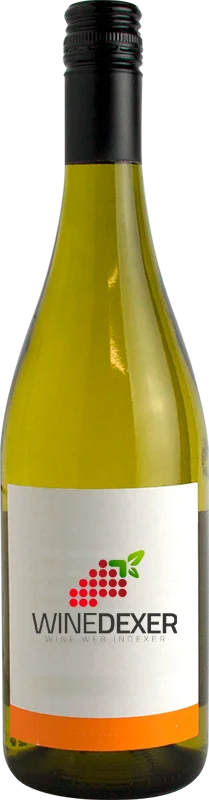
Winery Sorelle PalazziTrebbiano - Malvasia
 White wine


In the mouth this white wine is a with a nice freshness.
This wine generally goes well with vegetarian, appetizers and snacks or lean fish.

Taste structure of the Trebbiano - Malvasia from the Winery Sorelle Palazzi
Light | Bold | |
Dry | Sweet | |
Soft | Acidic |
In the mouth the Trebbiano - Malvasia of Winery Sorelle Palazzi in the region of Tuscany is a with a nice freshness.
Food and wine pairings with Trebbiano - Malvasia
Pairings that work perfectly with Trebbiano - Malvasia



Original food and wine pairings with Trebbiano - Malvasia


The Trebbiano - Malvasia of Winery Sorelle Palazzi matches generally quite well with dishes of pasta, vegetarian or appetizers and snacks such as recipes of my lasagna bolognese (without béchamel sauce), ham and comté quiche or bacon cake.
Details and technical informations about Winery Sorelle Palazzi's Trebbiano - Malvasia.
Discover the grape variety: Ravat 51
Aromatic and lively whites and sweet wines with a deep golden robe, an ample palate, with signature muscat aromas, white flowers, apricot, honey and candied citrus notes. Also as late-harvest and icewines. Grown mainly in the north-eastern United States and Canada for rigorous continental climates. French grey hybrid obtained by Jean-François Ravat in the early 20th century, also known as Vignoles in the United States.
Last vintages of this wine
The best vintages of Trebbiano - Malvasia from Winery Sorelle Palazzi are 0
Informations about the Winery Sorelle Palazzi
The Winery Sorelle Palazzi is one of of the world's greatest estates. It offers 11 wines for sale in the of Tuscany to come and discover on site or to buy online.

The wine region of Tuscany
Kingdom of Sangiovese: upright reds with cherry, plum, dried herbs and leather, lively acidity and firm tannins. Fleshy, food-friendly Chianti Classico DOCG, deep long-ageing Brunello di Montalcino (spice, tobacco, ripe black fruit), elegant Vino Nobile di Montepulciano. On the coast, Bolgheri crafts the opulent Cabernet- and Merlot-based 'Super Tuscans'. Some fresh white Vernaccia.
The word of the wine: Nervous
Said of a wine that leaves its mark on the palate with its strong characters and a hint of acidity, but without excess.