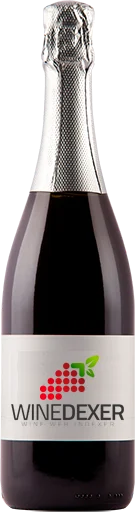
Winery SizariniProsecco
 Sparkling wine


In the mouth this sparkling wine is a with a nice vivacity and a fine and pleasant bubble.
This wine generally goes well with vegetarian, appetizers and snacks or shellfish.

Taste structure of the Prosecco from the Winery Sizarini
Light | Bold | |
Soft | Acidic | |
Gentle | Fizzy |
In the mouth the Prosecco of Winery Sizarini in the region of Veneto is a with a nice vivacity and a fine and pleasant bubble.
Food and wine pairings with Prosecco
Pairings that work perfectly with Prosecco



Original food and wine pairings with Prosecco


The Prosecco of Winery Sizarini matches generally quite well with dishes of shellfish, vegetarian or appetizers and snacks such as recipes of indian chicken (simplified korma), quiche with leeks and fresh salmon from flo or parmesan and poppy seed tuiles (5th meeting).
Details and technical informations about Winery Sizarini's Prosecco.
Discover the grape variety: Saint Laurent
Structured and elegant reds with a deep ruby colour, fine tannins and an ample palate with preserved acidity, featuring signature aromas of red fruits (cherry, morello cherry), sweet spices and floral notes, a profile often compared to Pinot Noir. Also in age-worthy versions. Star of the great reds from Austrian Burgenland (Sankt Laurent). Autochthonous Austrian black grape, genetically related to Pinot Noir, grown in Austria and the Czech Republic.
Last vintages of this wine
The best vintages of Prosecco from Winery Sizarini are 0
Informations about the Winery Sizarini
The Winery Sizarini is one of of the world's greatest estates. It offers 17 wines for sale in the of Veneto to come and discover on site or to buy online.

The wine region of Veneto
World star of Prosecco: fresh, light Glera sparklers with notes of pear, green apple and white flowers, fruity, convivial bubbles. Veronese reds from Corvina and Rondinella: light, crisp Bardolino, fruity Valpolicella, opulent, concentrated Amarone DOCG (black cherry, chocolate, raisin) from dried grapes. Mineral, almondy Soave (Garganega) whites, fresh Pinot Grigio. 97,500 ha, Italy's largest production.
The word of the wine: Overmaturation
When the grapes reach maturity, the skin becomes permeable and progressively loses water, which causes a concentration phenomenon inside the berry. This is called over-ripening or passerillage.





