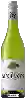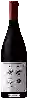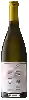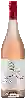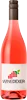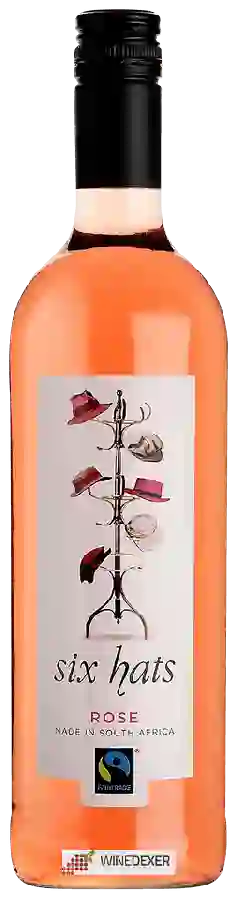
Winery Six HatsPinotage Rosé
 Pink wine


This wine generally goes well with poultry and game (deer, venison).

Wine flavors and olphactive analysis



On the nose the Pinotage Rosé of Winery Six Hats in the region of Western Cape often reveals types of flavors of earth, spices or red fruit.
Food and wine pairings with Pinotage Rosé
Pairings that work perfectly with Pinotage Rosé


Original food and wine pairings with Pinotage Rosé
The Pinotage Rosé of Winery Six Hats matches generally quite well with dishes of game (deer, venison) or poultry such as recipes of sarthe pot or chicken nuggets.
Details and technical informations about Winery Six Hats's Pinotage Rosé.
Discover the grape variety: Pinotage
Intensely coloured, structured reds with inky robe and firm tannins, with typical aromas of blackberry, black plum, roasted coffee, cocoa, banana and characteristic smoky notes. Made as powerful ageing reds and as more approachable fruity cuvées, sometimes as rosés. Absolute signature of South Africa (Stellenbosch, Swartland, Paarl). Cross of pinot noir × cinsault created in 1925 by Abraham Perold at Stellenbosch University.
Last vintages of this wine
The best vintages of Pinotage Rosé from Winery Six Hats are 2016, 2015, 2012, 2013 and 0.
Informations about the Winery Six Hats
The Winery Six Hats is one of of the world's greatest estates. It offers 10 wines for sale in the of Western Cape to come and discover on site or to buy online.

The wine region of Western Cape
Cradle of South African wine. Signature Chenin Blanc (Steen, 20%) in ample, fresh whites with notes of quince, yellow apple, honey and acacia flower, from crisp dry to sweet. Sharp, iodised Sauvignon Blanc (Walker Bay, Constantia), balanced Chardonnay. Reds: emblematic Pinotage with roasted aromas (coffee, plum, smoke), firm Cabernet Sauvignon, spicy Syrah.
The word of the wine: Performance
Quantity of grapes harvested per hectare. In AOC, the average yield is limited on the proposal of the appellation syndicate, validated by the Inao. The use of high-performance plant material (especially clones) and better control of vine diseases have increased yields. This is not without consequences on the quality of the wines (dilution) and on the state of the market (too much wine). We must not over-simplify: low yields are not synonymous with quality, and it is often in years with generous harvests that we find the greatest vintages (1982 and 1986 in Bordeaux, 1996 in Champagne, 1990 and 2005 in Burgundy...).