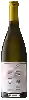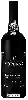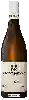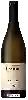
Winery SimonsvleiThe Garden Route Chenin Blanc - Chardonnay
 White wine


This wine is a blend of 2 varietals which are the Chardonnay and the Chenin blanc.
This wine generally goes well with fruity desserts, pork or vegetarian.

Food and wine pairings with The Garden Route Chenin Blanc - Chardonnay
Pairings that work perfectly with The Garden Route Chenin Blanc - Chardonnay


Original food and wine pairings with The Garden Route Chenin Blanc - Chardonnay



The The Garden Route Chenin Blanc - Chardonnay of Winery Simonsvlei matches generally quite well with dishes of pork, rich fish (salmon, tuna etc) or shellfish such as recipes of breton galette with buckwheat flour, sea bream a la plancha or pike dumplings with shrimp sauce.
Details and technical informations about Winery Simonsvlei's The Garden Route Chenin Blanc - Chardonnay.
Discover the grape variety: Chardonnay
Whites with many faces: mineral and taut at Chablis (lemon, green apple, flint), opulent and buttery at Meursault and Puligny-Montrachet (hazelnut, brioche, yellow fruits), tense and chalky in Champagne (Blanc de Blancs). Also vinified sparkling and widely exported (Sonoma, Margaret River, Casablanca). A Burgundian variety, a cross of Pinot Noir × Gouais Blanc, half-sibling of Aligoté.
Last vintages of this wine
The best vintages of The Garden Route Chenin Blanc - Chardonnay from Winery Simonsvlei are 2015, 0, 2016
Informations about the Winery Simonsvlei
The Winery Simonsvlei is one of of the world's great estates. It offers 84 wines for sale in the of Western Cape to come and discover on site or to buy online.

The wine region of Western Cape
Cradle of South African wine. Signature Chenin Blanc (Steen, 20%) in ample, fresh whites with notes of quince, yellow apple, honey and acacia flower, from crisp dry to sweet. Sharp, iodised Sauvignon Blanc (Walker Bay, Constantia), balanced Chardonnay. Reds: emblematic Pinotage with roasted aromas (coffee, plum, smoke), firm Cabernet Sauvignon, spicy Syrah.
The word of the wine: Performance
Quantity of grapes harvested per hectare. In AOC, the average yield is limited on the proposal of the appellation syndicate, validated by the Inao. The use of high-performance plant material (especially clones) and better control of vine diseases have increased yields. This is not without consequences on the quality of the wines (dilution) and on the state of the market (too much wine). We must not over-simplify: low yields are not synonymous with quality, and it is often in years with generous harvests that we find the greatest vintages (1982 and 1986 in Bordeaux, 1996 in Champagne, 1990 and 2005 in Burgundy...).