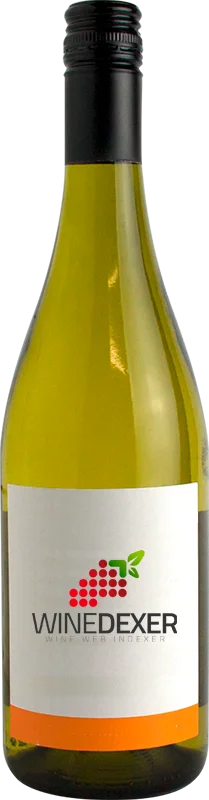
Le Petit ChâteauLes Cépages Pinot Blanc
 White wine
This wine generally goes well with rich fish (salmon, tuna etc) and shellfish.
Food and wine pairings with Les Cépages Pinot Blanc
Pairings that work perfectly with Les Cépages Pinot Blanc


Original food and wine pairings with Les Cépages Pinot Blanc
The Les Cépages Pinot Blanc of Le Petit Château matches generally quite well with dishes of rich fish (salmon, tuna etc) or shellfish such as recipes of baked whole salmon or navarin of the sea da gigi.
Details and technical informations about Le Petit Château's Les Cépages Pinot Blanc.
Discover the grape variety: Pinot blanc
Pinot Blanc is a grape variety that originated in Burgundy, mutated from Pinot Gris. Today, it is grown in Alsace where it is called klevner when blended with auxerrois. The continental climate, with its cold winters and hot summers, is particularly suited to pinot blanc. It is resistant to frost in winter and in summer, the roots draw the minerals it needs from the warm soil. Its bunches are made up of small berries with thick skins and melting pulp that produce fruity, spicy wines, balanced between acidity and alcohol. pinot blanc is also used for crémants and sparkling wines. Pinot Blanc is also used for Crémant and sparkling wines. It is widely grown in Italy, where it covers almost 7,000 hectares, and is also found in Germany, Austria, Canada and South Africa.
Informations about the Le Petit Château
The Le Petit Château is one of of the world's great estates. It offers 67 wines for sale in the of Neuchâtel to come and discover on site or to buy online.

The wine region of Neuchâtel
Neuchatel is one of the smaller wine regions of Switzerland, located in the French-speaking western half of the country, North of the much larger Vaud area. Much like its neighbour, Chasselas dominates white plantings here, however Pinot Noir is more significant here, as is the reputation of Neuchatel's rosés. The region is generally referred to as the 'Three Lakes' as the region - and the four AOCs within it - are found on the relatively low-lying, flatter land, centered around the lakes of Morat, Bienne and Neuchatel. The region also covers three neighbouring Swiss cantons.
The word of the wine: Aromatic
Character of a wine that is particularly expressive and rich in aromas. Some grape varieties, such as Gewurztraminer or Muscat, produce very aromatic wines.