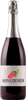
Winery Simon StumpfSpätburgunder
 Red wine



In the mouth this red wine is a with a nice freshness.
This wine generally goes well with poultry, beef or veal.

Taste structure of the Spätburgunder from the Winery Simon Stumpf
Light | Bold | |
Smooth | Tannic | |
Dry | Sweet | |
Soft | Acidic |
In the mouth the Spätburgunder of Winery Simon Stumpf in the region of Franken is a with a nice freshness.
Food and wine pairings with Spätburgunder
Pairings that work perfectly with Spätburgunder



Original food and wine pairings with Spätburgunder

The Spätburgunder of Winery Simon Stumpf matches generally quite well with dishes of beef, veal or game (deer, venison) such as recipes of wild boar stew in burgundy style, calf's head with sauce ravigote or autumn pumpkin pie.
Details and technical informations about Winery Simon Stumpf's Spätburgunder.
Discover the grape variety: Diolinoir
Deeply coloured, structured reds with a dense purple robe, smooth tannins and fresh acidity, with aromas of blackcurrant, blackberry, black cherry, soft spice and floral notes. Round palate, fruity finish. Vinified as single varietal and in modern red blends in French-speaking Switzerland (Valais, Vaud, Geneva), contributing colour and structure to contemporary cuvées. Swiss variety created in 1970 at the Pully station, a red cross of Diolly × Pinot Noir.
Last vintages of this wine
The best vintages of Spätburgunder from Winery Simon Stumpf are 0
Informations about the Winery Simon Stumpf
The Winery Simon Stumpf is one of of the world's greatest estates. It offers 23 wines for sale in the of Franken to come and discover on site or to buy online.

The wine region of Franken
Homeland of German Silvaner: dry, straight, mineral and lively whites with notes of green apple, citrus, fresh herbs and a saline touch, planted here for over 350 years (1,500 ha, a quarter of the vineyard). Also supple, floral Müller-Thurgau, taut Riesling, aromatic Bacchus. Some discreet reds (Spätburgunder). 6,040 ha in Bavaria along the Main around Würzburg, red sandstone and shell-limestone soils.
The word of the wine: Chaptalization
The addition of sugar at the time of fermentation of the must, an ancient practice, but theorized by Jean-Antoine Chaptal at the dawn of the 19th century. The sugar is transformed into alcohol and allows the natural degree of the wine to be raised in a weak or cold year, or - more questionably - when the winegrower has a harvest that is too large to obtain good maturity.