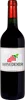
Winery Silvio GrassoL'Insieme Rosso
 Red wine


This wine is a blend of 3 varietals which are the Cabernet-Sauvignon, the Nebbiolo and the Merlot.
This wine generally goes well with pork, poultry or beef.

Food and wine pairings with L'Insieme Rosso
Pairings that work perfectly with L'Insieme Rosso



Original food and wine pairings with L'Insieme Rosso



The L'Insieme Rosso of Winery Silvio Grasso matches generally quite well with dishes of beef, lamb or veal such as recipes of boeuf lôc lac (cambodia), marinated shoulder of lamb or festive chinese fondue.
Details and technical informations about Winery Silvio Grasso's L'Insieme Rosso.
Discover the grape variety: Cabernet-Sauvignon
Structured, tannic reds, deeply coloured, with aromas of blackcurrant, blackberry, cedar, tobacco and graphite, underpinned by firm acidity and fine ageing potential. Cornerstone of the great Médoc estates (Pauillac, Saint-Estèphe, Saint-Julien) and signature of Napa Valley, Coonawarra and Maipo. The world's most planted red variety, a natural cross of Cabernet Franc x Sauvignon Blanc born in Bordeaux.
Last vintages of this wine
The best vintages of L'Insieme Rosso from Winery Silvio Grasso are 0
Informations about the Winery Silvio Grasso
The Winery Silvio Grasso is one of of the world's great estates. It offers 21 wines for sale in the of Vino da Tavola to come and discover on site or to buy online.

The wine region of Vino da Tavola
The freest category of Italian wine, with no grape or zone constraint. All styles: bold reds based on Bordeaux grapes (Cabernet, Merlot), atypical blends, maker's cuvées outside DOC rules. Historic cradle of the "Super Tuscans" in the 1960s-80s (Sassicaia, Tignanello, Ornellaia) before the creation of IGT in 1992. Today dedicated to everyday wines or winemaker experiments.
The word of the wine: Pigeage
Operation consisting of a vertical treading to push the cap of marc into the wine, which promotes extraction. Pigeage can be carried out mechanically with jacks that plunge into the vat. Traditionally, it is the men who go down into the vats and push the cap by trampling it.