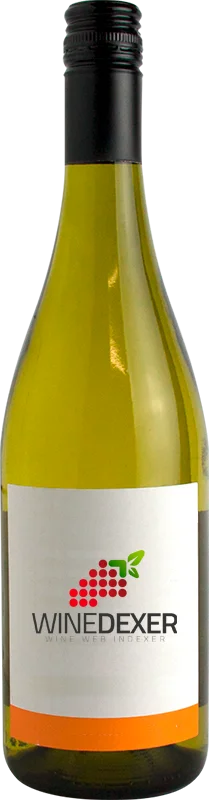
Winery Sierra MonteAirén - Sauvignon Blanc Blanco Seco
 White wine


This wine generally goes well with vegetarian, rich fish (salmon, tuna etc) or shellfish.

Food and wine pairings with Airén - Sauvignon Blanc Blanco Seco
Pairings that work perfectly with Airén - Sauvignon Blanc Blanco Seco



Original food and wine pairings with Airén - Sauvignon Blanc Blanco Seco
The Airén - Sauvignon Blanc Blanco Seco of Winery Sierra Monte matches generally quite well with dishes of rich fish (salmon, tuna etc), shellfish or vegetarian such as recipes of pan-fried potatoes with smoked salmon and rosemary, armorican-style squid or goat cheese and bacon quiche.
Details and technical informations about Winery Sierra Monte's Airén - Sauvignon Blanc Blanco Seco.
Discover the grape variety: Airen
Simple, refreshing whites with a pale robe and a tender mouth, featuring discreet aromas of apple, citrus, fresh herbs and neutral notes. Moderate acidity, best drunk young. Very productive and drought-resistant, it produces easy-drinking whites in La Mancha DO and Valdepeñas DO on the Castilian plateau, and has historically supplied the base for Brandy de Jerez distillation. Native Spanish grape, long the world's most planted by surface area.
Last vintages of this wine
The best vintages of Airén - Sauvignon Blanc Blanco Seco from Winery Sierra Monte are 0
Informations about the Winery Sierra Monte
The Winery Sierra Monte is one of of the world's greatest estates. It offers 7 wines for sale in the of Vinos de Pago to come and discover on site or to buy online.

The wine region of Vinos de Pago
Top of the Spanish quality pyramid (above DOCa and DO), reserved for 25 exceptional estates. Estate wines, grapes and vinification exclusively on site, 10 years of track record. All styles: concentrated, barrel-aged Cabernet, Syrah and Tempranillo reds (Dominio de Valdepusa, Arínzano, Pago de Otazu), maker's blends, a few ambitious whites. Great stylistic freedom.
The word of the wine: Yeast
Micro-organisms at the base of all fermentative processes. A wide variety of yeasts live and thrive naturally in the vineyard, provided that treatments do not destroy them. Unfortunately, their replacement by laboratory-selected yeasts is often the order of the day and contributes to the standardization of the wine. Yeasts are indeed involved in the development of certain aromas.