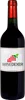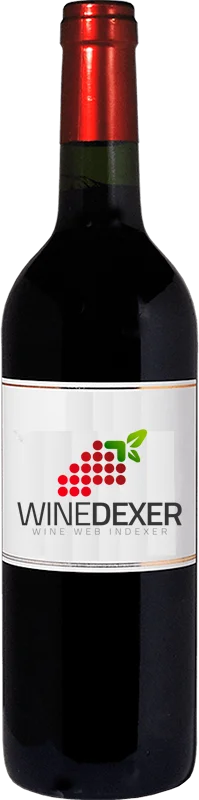
Winery ShimulVino de Bruma
 Red wine



This wine generally goes well with
The Vino de Bruma of the Winery Shimul is in the top 90 of wines of Ensenada.

Details and technical informations about Winery Shimul's Vino de Bruma.
Discover the grape variety: Antão Vaz
Full-bodied, structured whites with a pale golden robe, ample palate and moderate acidity, with signature aromas of ripe tropical fruits (mango, passion fruit), mandarin zest, stone fruits (peach, apricot) and mineral notes. Sunny Mediterranean profile, fine potential for oak ageing. Pillar of the great whites of Alentejo DOC, vinified as a single variety or blended with Roupeiro and Arinto. Indigenous Portuguese white variety from Alentejo.
Last vintages of this wine
The best vintages of Vino de Bruma from Winery Shimul are 0, 2014
Informations about the Winery Shimul
The Winery Shimul is one of of the world's greatest estates. It offers 10 wines for sale in the of Ensenada to come and discover on site or to buy online.

The wine region of Ensenada
Wine capital of Mexico in Baja California (Valle de Guadalupe 50 km north, 90% of national production): Cabernet Sauvignon, Nebbiolo (perfectly adapted) and Merlot are the signature red kings — profile with cherry, cocoa, fermented and yeasty notes, woody touches, spices and citrus. Syrah and historic Grenache in complement, creativity beyond strict appellations. Favourable Mediterranean climate, ~2 million cases/year, original blends.
The wine region of North
North Israel encompasses Upper and Lower Galilee plus the Golan, vineyards at altitude on limestone soils, volcanic basalt and draining gravels, climate tempered by strong day-night swings. Cabernet Sauvignon, Merlot and Syrah are the signature reds — full-bodied and precise with notes of blackcurrant, black cherry, blackberry, garrigue and a mineral touch, ripe tannins and preserved freshness. Historic Carignan. Taut Chardonnay and lively Sauvignon in whites.
The word of the wine: Cordon de Royat (size in)
Short trellised pruning with one or two horizontal arms stretched over a wire. Very suitable for mechanization, it offers a very good exposure of the bunches as well as an excellent aeration.