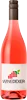
Winery ShimulAlbarolo Breta
 wine
wine
This wine generally goes well with
The Albarolo Breta of the Winery Shimul is in the top 0 of wines of Ensenada.

Details and technical informations about Winery Shimul's Albarolo Breta.
Discover the grape variety: Bertille Seyve 450
Simple, fresh dry whites with a pale golden colour, a supple palate with moderate acidity and understated aromas of citrus and white flowers. Productive rustic profile. Now marginal, it survives in a few heritage plots and is one of the old French hybrids preserved in varietal collections. French white hybrid variety obtained in the early 20th century by Bertille Seyve, in the lineage of phylloxera-resistant crossings.
Informations about the Winery Shimul
The Winery Shimul is one of of the world's greatest estates. It offers 10 wines for sale in the of Ensenada to come and discover on site or to buy online.

The wine region of Ensenada
Wine capital of Mexico in Baja California (Valle de Guadalupe 50 km north, 90% of national production): Cabernet Sauvignon, Nebbiolo (perfectly adapted) and Merlot are the signature red kings — profile with cherry, cocoa, fermented and yeasty notes, woody touches, spices and citrus. Syrah and historic Grenache in complement, creativity beyond strict appellations. Favourable Mediterranean climate, ~2 million cases/year, original blends.
The wine region of North
North Israel encompasses Upper and Lower Galilee plus the Golan, vineyards at altitude on limestone soils, volcanic basalt and draining gravels, climate tempered by strong day-night swings. Cabernet Sauvignon, Merlot and Syrah are the signature reds — full-bodied and precise with notes of blackcurrant, black cherry, blackberry, garrigue and a mineral touch, ripe tannins and preserved freshness. Historic Carignan. Taut Chardonnay and lively Sauvignon in whites.
The word of the wine: Sulphur
An antiseptic and antioxidant substance known since antiquity, probably already used by the Romans. But it was only in modern times that its use was rediscovered. It will allow a better conservation of the wine and thus favour its export. Sulphur also gave the 18th century winegrower the possibility of extending the maceration period without fearing that the wine would turn sour and thus go from dark rosé wines to the red wines of today. Excessive sulphur, on the other hand, kills happiness, paralysing the aromas and causing headaches.