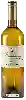
Winery Les VallièresChardonnay
 White wine



This wine is composed of 100% of the grape variety Chardonnay.
In the mouth this white wine is a powerful with a nice freshness.
This wine generally goes well with pork, vegetarian or poultry.

Taste structure of the Chardonnay from the Winery Les Vallières
Light | Bold | |
Dry | Sweet | |
Soft | Acidic |
In the mouth the Chardonnay of Winery Les Vallières in the region of Genève is a powerful with a nice freshness.
Food and wine pairings with Chardonnay
Pairings that work perfectly with Chardonnay



Original food and wine pairings with Chardonnay

The Chardonnay of Winery Les Vallières matches generally quite well with dishes of pork, rich fish (salmon, tuna etc) or vegetarian such as recipes of andouillette and baked potato gratin, salmon in brick pastry or vegan leek and tofu quiche.
Details and technical informations about Winery Les Vallières's Chardonnay.
Discover the grape variety: Chardonnay
Whites with many faces: mineral and taut at Chablis (lemon, green apple, flint), opulent and buttery at Meursault and Puligny-Montrachet (hazelnut, brioche, yellow fruits), tense and chalky in Champagne (Blanc de Blancs). Also vinified sparkling and widely exported (Sonoma, Margaret River, Casablanca). A Burgundian variety, a cross of Pinot Noir × Gouais Blanc, half-sibling of Aligoté.
Last vintages of this wine
The best vintages of Chardonnay from Winery Les Vallières are 0
Informations about the Winery Les Vallières
The Winery Les Vallières is one of of the world's great estates. It offers 28 wines for sale in the of Genève to come and discover on site or to buy online.

The wine region of Genève
Switzerland's 3rd wine canton, a modern and diverse expression. Fleshy Gamay as the signature red: fruity and crunchy with notes of cherry, raspberry and sweet spices, supple tannins. Fine Pinot Noir (undergrowth, red fruits), spicy, dense Gamaret, deep Garanoir. Whites: historic Chasselas (mineral and floral), ample Chardonnay (pear, brioche), round Pinot Blanc.
The word of the wine: Aroma
A pleasant smell that can be primary (or varietal, i.e. characteristic of the grape), secondary (resulting from fermentation) or tertiary (resulting from the aging of the wine in the bottle).