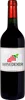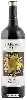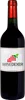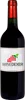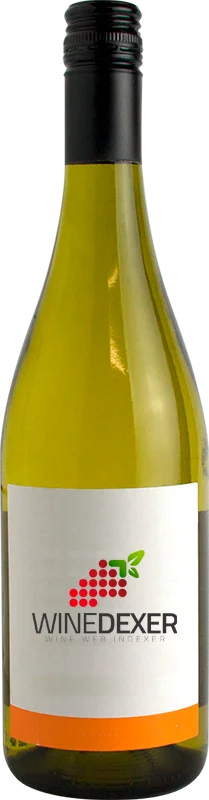
Winery Señorío de FuenteálamoMacabeo
 White wine


This wine generally goes well with
Details and technical informations about Winery Señorío de Fuenteálamo's Macabeo.
Discover the grape variety: Sciaccarello
Sciaccarello noir is a grape variety native to Italy. It produces a variety of grape specially used for wine making. It is rare to find this grape to eat on our tables. This variety of grape is characterized by large bunches and large grapes. Sciaccarello noir can be found in several vineyards: Provence & Corsica, South-West, Cognac, Bordeaux, Rhone valley, Languedoc & Roussillon, Loire valley, Savoie & Bugey, Beaujolais.
Last vintages of this wine
The best vintages of Macabeo from Winery Señorío de Fuenteálamo are 2014, 0, 2008
Informations about the Winery Señorío de Fuenteálamo
The Winery Señorío de Fuenteálamo is one of of the world's great estates. It offers 13 wines for sale in the of Jumilla to come and discover on site or to buy online.

The wine region of Jumilla
The wine region of Jumilla is located in the region of Murcie of Spain. Wineries and vineyards like the Domaine Bodegas El Nido or the Domaine Bodegas El Nido produce mainly wines red, white and pink. The most planted grape varieties in the region of Jumilla are Cabernet-Sauvignon, Tempranillo and Petit Verdot, they are then used in wines in blends or as a single variety. On the nose of Jumilla often reveals types of flavors of oak, orange blossom or honeysuckle and sometimes also flavors of stone fruit, grass or jasmine.
The wine region of Murcie
Murcia is one of the smallest and least known regions in Spain. Nestled in the extreme Southeast of the country, it is bordered by Andalusia to the west, Castilla-La Mancha to the North, Valencia to the east and the Mediterranean Sea to the south. This small administrative region consists of a single province and an administrative centre that share the same name. As far as wine is concerned, Murcia has three designations of origin.
The word of the wine: Bitter (flavor)
A flavour generally provided in wines by polyphenols and accompanied by a sensation of pungency. In small quantities, bitterness makes you salivate, gives relief to the wine and reinforces its sapidity.