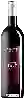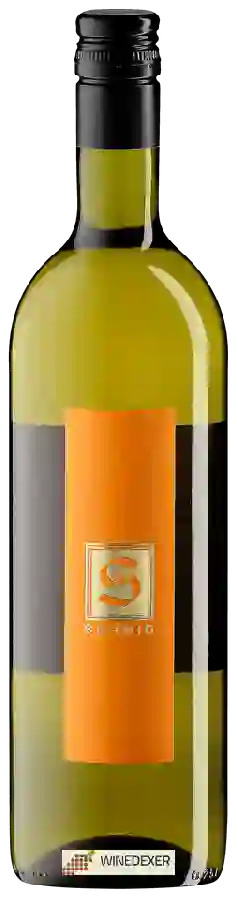
Winery SchmidweineBianco di Merlot
 White wine
This wine generally goes well with beef and game (deer, venison).

Food and wine pairings with Bianco di Merlot
Pairings that work perfectly with Bianco di Merlot


Original food and wine pairings with Bianco di Merlot
The Bianco di Merlot of Winery Schmidweine matches generally quite well with dishes of beef or game (deer, venison) such as recipes of empanadas de carne (argentina) or valencian paella - family recipe.
Details and technical informations about Winery Schmidweine's Bianco di Merlot.
Discover the grape variety: Merlot
Round and fleshy reds with a velvety texture, showing aromas of ripe plum, black cherry, cocoa and truffle notes with age. Supple tannins, generous alcohol, indulgent finish. Pillar of Libournais (Pomerol with Pétrus, Saint-Émilion with Cheval Blanc and Ausone) and signature of Super Tuscans, Italian Wales and Washington State. A cross of Cabernet Franc × Magdeleine Noire, France's most planted red variety.
Informations about the Winery Schmidweine
The Winery Schmidweine is one of of the world's great estates. It offers 18 wines for sale in the of Thurgau to come and discover on site or to buy online.

The wine region of Thurgau
Wine canton of north-eastern German-speaking Switzerland on the shores of Lake Constance and the Rhine (~265 ha), cradle of Müller-Thurgau bred locally in 1882. Signature Pinot Noir (Blauburgunder) dominant in red: fine and silky with signature notes of cherry, raspberry, undergrowth, sweet spices and a mineral touch, delicate tannins and lakeside freshness. Historic Müller-Thurgau as fruity white (light muscat, apple, flowers). Also lively Riesling-Silvaner.
The word of the wine: Maceration
Prolonged contact and exchange between the juice and the grape solids, especially the skin. Not to be confused with the time of fermentation, which follows maceration. The juice becomes loaded with colouring matter and tannins, and acquires aromas. For a rosé, the maceration is short so that the colour does not "rise" too much. For white wines too, a "pellicular maceration" can be practised, which allows the wine to acquire more fat.