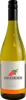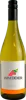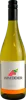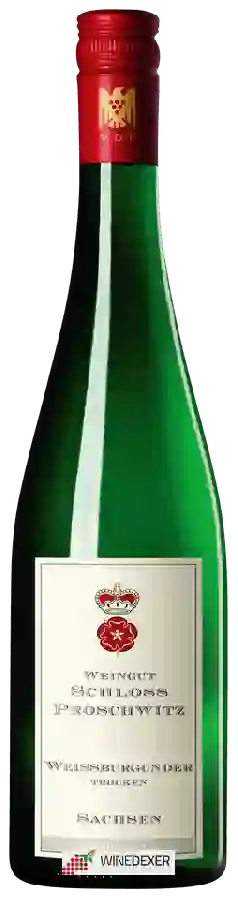
Weingut Schloss ProschwitzWeissburgunder Trocken
 White wine



In the mouth this white wine is a with a nice freshness.
This wine generally goes well with rich fish (salmon, tuna etc), shellfish or mild and soft cheese.
The Weissburgunder Trocken of the Weingut Schloss Proschwitz is in the top 30 of wines of Sachsen.
Taste structure of the Weissburgunder Trocken from the Weingut Schloss Proschwitz
Light | Bold | |
Dry | Sweet | |
Soft | Acidic |
In the mouth the Weissburgunder Trocken of Weingut Schloss Proschwitz in the region of Sachsen is a with a nice freshness.
Wine flavors and olphactive analysis

Food and wine pairings with Weissburgunder Trocken
Pairings that work perfectly with Weissburgunder Trocken



Original food and wine pairings with Weissburgunder Trocken

The Weissburgunder Trocken of Weingut Schloss Proschwitz matches generally quite well with dishes of rich fish (salmon, tuna etc), shellfish or mild and soft cheese such as recipes of salmon with sorrel, cuttlefish in parsley sauce or gourmet tartiflette (pan-fried).
Details and technical informations about Weingut Schloss Proschwitz's Weissburgunder Trocken.
Discover the grape variety: Bayan shirei
This vine is most certainly finding its first origins in Azerbaijan. It can be found in many other Eastern countries such as Armenia, Uzbekistan, Georgia, Dagestan, Kazakhstan, Ukraine, Russia, ... totally unknown in France.
Last vintages of this wine
The best vintages of Weissburgunder Trocken from Weingut Schloss Proschwitz are 2018, 2011, 0
Informations about the Weingut Schloss Proschwitz
The Weingut Schloss Proschwitz is one of of the world's great estates. It offers 49 wines for sale in the of Sachsen to come and discover on site or to buy online.

The wine region of Sachsen
Sachsen (Saxony) in eastern Germany is one of the world's Northernmost wine regions, located at a latitude of 51 degrees north. The roughly 493 hectares (1,218ac) of vines in the region are planted aLong a 25 mile (40km) stretch of the Elbe river valley, from Pillnitz near the city of Dresden, in a north-easterly direction to Diesbar-Seusslitz, just downstream of the city of Meissen. Despite its northerly location, Sachsen has a long history of viticulture, with the earliest documents of wine-growing around Meissen dating to 1161. Since Germany's reunification in 1990, great enthusiasm has gone into building and developing the Sachsen wine industry; there are many part-time growers and an enthusiastic local market.
The word of the wine: Extraction
All the methods (pumping over, punching down) that allow the colour and tannins to be extracted from the grape skin during maceration, before fermentation begins. It is also possible to macerate after fermentation, but gently, so as not to extract the tannins from the seeds, which are greener. Because of its solvent power, alcohol favours extraction.