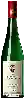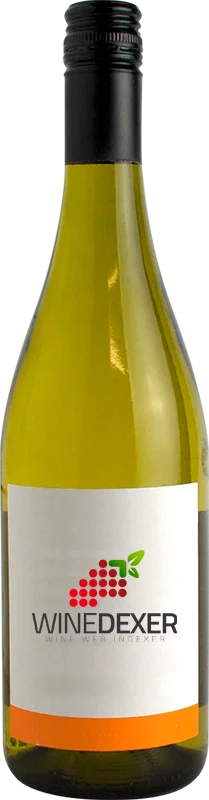
Winery Schloss WackerbarthCuvée Elbterrassen Weiß Halbtrocken
 White wine


This wine generally goes well with
The Cuvée Elbterrassen Weiß Halbtrocken of the Winery Schloss Wackerbarth is in the top 10 of wines of Sachsen.
Wine flavors and olphactive analysis

On the nose the Cuvée Elbterrassen Weiß Halbtrocken of Winery Schloss Wackerbarth in the region of Sachsen often reveals types of flavors of tree fruit, citrus fruit or floral.
Details and technical informations about Winery Schloss Wackerbarth's Cuvée Elbterrassen Weiß Halbtrocken.
Discover the grape variety: Altesse
The Altesse white grape variety is French in origin, but its ancestors were brought from Cyprus. It then developed in the vineyards of the southeast of the country. The Montagnieu fusette or arbane, as it is also called, buds early in the year. A cottony veil covers the first buds. The involuted blade and the U-shaped petiolar sinus distinguish the adult, three-lobed leaves. During, sometimes for late vengeance, the clusters of medium or small size are winged, compact and cylindrical.the fruits reveal a melting pulp under a film of variable color. The pink-tan colour replaces the early reddish yellow when the berries ripen. If they persist, the berries take on a lilac hue. The vinification promises sparkling, aromatic and elegant sweet whites, or dry whites. Altesse is a grape variety to be carefully maintained against acariosis and erinosis.
Last vintages of this wine
The best vintages of Cuvée Elbterrassen Weiß Halbtrocken from Winery Schloss Wackerbarth are 2018, 0
Informations about the Winery Schloss Wackerbarth
The Winery Schloss Wackerbarth is one of of the world's greatest estates. It offers 78 wines for sale in the of Sachsen to come and discover on site or to buy online.

The wine region of Sachsen
Sachsen (Saxony) in eastern Germany is one of the world's Northernmost wine regions, located at a latitude of 51 degrees north. The roughly 493 hectares (1,218ac) of vines in the region are planted aLong a 25 mile (40km) stretch of the Elbe river valley, from Pillnitz near the city of Dresden, in a north-easterly direction to Diesbar-Seusslitz, just downstream of the city of Meissen. Despite its northerly location, Sachsen has a long history of viticulture, with the earliest documents of wine-growing around Meissen dating to 1161. Since Germany's reunification in 1990, great enthusiasm has gone into building and developing the Sachsen wine industry; there are many part-time growers and an enthusiastic local market.
The word of the wine: Sirupy
Close to the sensation of unctuousness, said of a wine that gives the impression of having the consistency of a syrup.