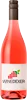
Château La ValetanneLarmes de Valetanne Rouge
 Red wine
This wine generally goes well with

Details and technical informations about Château La Valetanne's Larmes de Valetanne Rouge.
Discover the grape variety: Danlas
Simple and fresh dry whites, pale golden colour, supple mouth with preserved acidity, with understated aromas of citrus and southern white flowers. Early-ripening and productive. Grown in small quantities in southern France, occasionally used in southern blends. French white grape bred in 1958 in Montpellier by Paul Truel (Chasselas x Ugni Blanc).
Informations about the Château La Valetanne
The Château La Valetanne is one of of the world's greatest estates. It offers 9 wines for sale in the of Côtes de Provence to come and discover on site or to buy online.

The wine region of Côtes de Provence
World reference for pale, elegant rosé: salmon to onion-skin hue, notes of strawberry, pink grapefruit, white peach and flowers, fresh, dry, mineral palate, taut finish. 90% of output, the Provençal signature. Grenache, Cinsault, Syrah and native Tibouren in the blend. A few fleshy Mediterranean reds (Mourvèdre, Syrah) and saline Vermentino whites.
The wine region of Provence
World capital of dry, refined rosé (~90% of production). Pale rose-petal colour, delicate nose of fresh red fruits (strawberry, raspberry, redcurrant), citrus (pink grapefruit), white flowers and a mineral touch, taut and thirst-quenching palate — the Mediterranean aperitif par excellence. Blends of Grenache, Cinsault, Syrah, Tibouren and Mourvèdre. Fleshy Bandol reds from Mourvèdre (leather, garrigue, age-worthy), straight Cassis whites.
The word of the wine: Liquid
Sweet wine containing more than 50 grams of residual sugar per liter. Sweet wines are made from grapes often affected by botrytis cinerea and concentrated either by passerillage (drying of the grapes on the vine stock), or after the harvest (straw wines), or by the cold (ice wines).