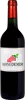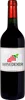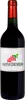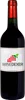
Winery Scarpeto di SottoToscana Rosso
 Red wine



In the mouth this red wine is a .
This wine generally goes well with poultry, beef or veal.
Taste structure of the Toscana Rosso from the Winery Scarpeto di Sotto
Light | Bold | |
Smooth | Tannic | |
Dry | Sweet | |
Soft | Acidic |
In the mouth the Toscana Rosso of Winery Scarpeto di Sotto in the region of Tuscany is a .
Food and wine pairings with Toscana Rosso
Pairings that work perfectly with Toscana Rosso



Original food and wine pairings with Toscana Rosso


The Toscana Rosso of Winery Scarpeto di Sotto matches generally quite well with dishes of beef, lamb or veal such as recipes of celine's version of moussaka (5th meeting), navarin of lamb or calf's head with sauce ravigote.
Details and technical informations about Winery Scarpeto di Sotto's Toscana Rosso.
Discover the grape variety: Tinto cão
- Origin : Most certainly from the north of Portugal, it is a very old grape variety, present for a very long time in the Douro Valley where it is very often associated with other grape varieties to produce the famous Port. It can also be found in the United States (California, etc.), Australia, Spain, Mexico, etc.
Last vintages of this wine
The best vintages of Toscana Rosso from Winery Scarpeto di Sotto are 0
Informations about the Winery Scarpeto di Sotto
The Winery Scarpeto di Sotto is one of of the world's greatest estates. It offers 6 wines for sale in the of Tuscany to come and discover on site or to buy online.

The wine region of Tuscany
Tuscany is one of the most famous and prolific wine regions in Europe. It is best known for its Dry red wines made from Sangiovese grapes, which dominate production. These include Chianti, Brunello di Montalcino and Vino Nobile di Montepulciano. The region's Vin Santo is also highly prized, as are its passito dessert wines, though these are produced in comparatively tiny quantities.
The word of the wine: Residual sugars
Sugars not transformed into alcohol and naturally present in the wine. The perception of residual sugars is conditioned by the acidity of the wine. The more acidic the wine is, the less sweet it will seem, given the same amount of sugar.