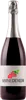
Winery SantagiustaSuperiore Barbera D'Asti
 Red wine


In the mouth this red wine is a powerful with a nice freshness.
This wine generally goes well with pork, poultry or veal.

Taste structure of the Superiore Barbera D'Asti from the Winery Santagiusta
Light | Bold | |
Smooth | Tannic | |
Dry | Sweet | |
Soft | Acidic |
In the mouth the Superiore Barbera D'Asti of Winery Santagiusta in the region of Piedmont is a powerful with a nice freshness.
Food and wine pairings with Superiore Barbera D'Asti
Pairings that work perfectly with Superiore Barbera D'Asti



Original food and wine pairings with Superiore Barbera D'Asti


The Superiore Barbera D'Asti of Winery Santagiusta matches generally quite well with dishes of pasta, veal or pork such as recipes of chinese fried shrimp ravioli, veal grenadin with balsamic vinegar and honey or summer orecchiette.
Details and technical informations about Winery Santagiusta's Superiore Barbera D'Asti.
Discover the grape variety: Melon-Queue-Rouge
Lively, refreshing dry whites with a pale golden robe and green hints, a lean palate and preserved acidity, with signature aromas of citrus (lemon), white flowers, white-fleshed fruits (pear) and Loire saline iodine notes. A profile identical to classic Muscadet. Preserved for its heritage value in a few parcels in the Pays Nantais. A reddish-stemmed mutation of Melon de Bourgogne, native French white grape.
Last vintages of this wine
The best vintages of Superiore Barbera D'Asti from Winery Santagiusta are 2011, 0
Informations about the Winery Santagiusta
The Winery Santagiusta is one of of the world's greatest estates. It offers 5 wines for sale in the of Asti to come and discover on site or to buy online.

The wine region of Asti
Italian capital of sweet, aromatic sparklers. Signature Asti DOCG: light, muscat-scented sparklers from Moscato Bianco with signature notes of fresh grape, peach, apricot, orange blossom and sage, opulent yet balanced sweetness, low alcohol (~7%) — a dessert treat. Moscato d'Asti a more delicate, slightly fizzy (frizzante) version. Also lively, fruity Barbera reds, peppery Grignolino and sweet, musky Brachetto d'Acqui.
The wine region of Piedmont
Kingdom of Nebbiolo: Barolo and Barbaresco DOCG, long-ageing reds with firm tannins and lively acidity, complex aromas of withered rose, sour cherry, tar, truffle and undergrowth. More accessible, tangy Barbera on red fruit, supple, crisp Dolcetto. Sweet, floral sparkling Moscato d'Asti, mineral, lemony Gavi (Cortese) white, round, almondy Arneis from Roero. 50,000 ha across the Langhe, Roero and Monferrato, UNESCO.
The word of the wine: Cup (size in)
Specific to the Mediterranean vineyard, this short pruning which opens the stock in the shape of a corolla offers a good resistance to violent winds but does not allow any mechanization of the vine work.