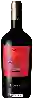
Winery SandreRaboso
 Red wine



In the mouth this red wine is a powerful.
This wine generally goes well with beef, game (deer, venison) or lamb.

Taste structure of the Raboso from the Winery Sandre
Light | Bold | |
Smooth | Tannic | |
Dry | Sweet | |
Soft | Acidic |
In the mouth the Raboso of Winery Sandre in the region of Veneto is a powerful.
Food and wine pairings with Raboso
Pairings that work perfectly with Raboso



Original food and wine pairings with Raboso

The Raboso of Winery Sandre matches generally quite well with dishes of beef, pasta or lamb such as recipes of beef stew express, spaghetti cacio e pepe or lamb chops marinated with herbs.
Details and technical informations about Winery Sandre's Raboso.
Discover the grape variety: Pecorino
Structured, aromatic whites with firm acidity and an ample mouth, featuring aromas of citrus, yellow peach, aromatic herbs (sage, thyme), almond, white flowers and saline mineral notes. Fine length and ageing capacity. Star of Offida Pecorino DOCG in the Marche and Abruzzo Pecorino DOC, driving force behind the revival of great modern Adriatic whites. Native Italian grape rediscovered in the 1980s after near-disappearance.
Last vintages of this wine
The best vintages of Raboso from Winery Sandre are 0
Informations about the Winery Sandre
The Winery Sandre is one of of the world's greatest estates. It offers 15 wines for sale in the of Veneto to come and discover on site or to buy online.

The wine region of Veneto
World star of Prosecco: fresh, light Glera sparklers with notes of pear, green apple and white flowers, fruity, convivial bubbles. Veronese reds from Corvina and Rondinella: light, crisp Bardolino, fruity Valpolicella, opulent, concentrated Amarone DOCG (black cherry, chocolate, raisin) from dried grapes. Mineral, almondy Soave (Garganega) whites, fresh Pinot Grigio. 97,500 ha, Italy's largest production.
The word of the wine: Sensory analysis
Technical name of the tasting.