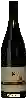
Winery San SilvestroRuj Appassimento Barbera Passito
 Red wine
In the mouth this red wine is a powerful with a nice freshness.
This wine generally goes well with pork, poultry or veal.

Taste structure of the Ruj Appassimento Barbera Passito from the Winery San Silvestro
Light | Bold | |
Smooth | Tannic | |
Dry | Sweet | |
Soft | Acidic |
In the mouth the Ruj Appassimento Barbera Passito of Winery San Silvestro in the region of Piedmont is a powerful with a nice freshness.
Food and wine pairings with Ruj Appassimento Barbera Passito
Pairings that work perfectly with Ruj Appassimento Barbera Passito



Original food and wine pairings with Ruj Appassimento Barbera Passito


The Ruj Appassimento Barbera Passito of Winery San Silvestro matches generally quite well with dishes of veal, pork or poultry such as recipes of roast pork with prunes, chicken in red wine or stuffed potatoes.
Details and technical informations about Winery San Silvestro's Ruj Appassimento Barbera Passito.
Discover the grape variety: Barbera blanche
Crisp, taut whites with a marked acidity, showing discreet aromas of green apple, citrus, white flowers and fresh herbal notes. Neutral and refreshing profile. Preserved in confidential parcels in Piedmont (Monferrato, Alessandria) for its heritage value, subject to ampelographic studies. Very rare autochthonous Piedmontese variety, with no genetic link to black barbera despite the shared name.
Informations about the Winery San Silvestro
The Winery San Silvestro is one of of the world's great estates. It offers 120 wines for sale in the of Piedmont to come and discover on site or to buy online.

The wine region of Piedmont
Kingdom of Nebbiolo: Barolo and Barbaresco DOCG, long-ageing reds with firm tannins and lively acidity, complex aromas of withered rose, sour cherry, tar, truffle and undergrowth. More accessible, tangy Barbera on red fruit, supple, crisp Dolcetto. Sweet, floral sparkling Moscato d'Asti, mineral, lemony Gavi (Cortese) white, round, almondy Arneis from Roero. 50,000 ha across the Langhe, Roero and Monferrato, UNESCO.
The word of the wine: Tartar (deposit)
White, chalky deposits that occur as a result of precipitation inside bottles and are often considered by consumers as a defect. They are in fact tartaric salts formed by tartaric acid, potassium and calcium naturally present in the wine. This deposit does not alter the quality of the wine and can be eliminated by a simple decanting.