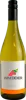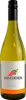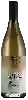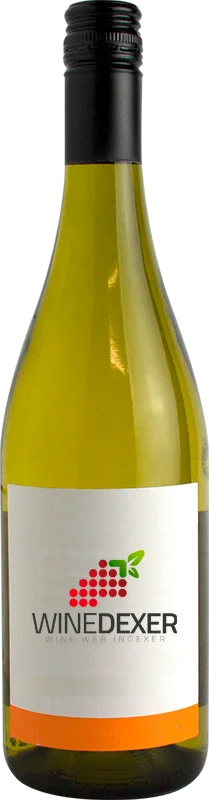
Winery San Nicola ChiavariE Prie
 Unknow wine


This wine generally goes well with
Details and technical informations about Winery San Nicola Chiavari's E Prie.
Discover the grape variety: Lignan blanc
It originates from northern Italy (Piedmont) where it is very often grown on trellises in front of houses. In France, this variety was introduced in 1850.
Last vintages of this wine
The best vintages of E Prie from Winery San Nicola Chiavari are 2016, 0
Informations about the Winery San Nicola Chiavari
The Winery San Nicola Chiavari is one of of the world's greatest estates. It offers 3 wines for sale in the of Liguria to come and discover on site or to buy online.

The wine region of Liguria
Coastal region of northwest Italy on the Riviera, terraced vineyards among the steepest in Europe (~1,650 ha). Vermentino signature in white: fresh and saline with signature notes of citrus, white flowers, wild herbs, fresh almond and an iodine mineral touch, taut long mouth. Local Pigato similar and ample, mineral Bosco (min. 40% in Cinque Terre), Albarola.
The word of the wine: Caudalie
Unit of measurement corresponding to one second and allowing to quantify the aromatic persistence of a wine in mouth (length in mouth).