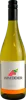
Winery San MarcoRomæ Roma Bianco
 White wine


In the mouth this white wine is a with a nice freshness.
This wine generally goes well with vegetarian, appetizers and snacks or lean fish.
The Romæ Roma Bianco of the Winery San Marco is in the top 20 of wines of Lazio.

Taste structure of the Romæ Roma Bianco from the Winery San Marco
Light | Bold | |
Dry | Sweet | |
Soft | Acidic |
In the mouth the Romæ Roma Bianco of Winery San Marco in the region of Lazio is a with a nice freshness.
Food and wine pairings with Romæ Roma Bianco
Pairings that work perfectly with Romæ Roma Bianco



Original food and wine pairings with Romæ Roma Bianco


The Romæ Roma Bianco of Winery San Marco matches generally quite well with dishes of pasta, vegetarian or appetizers and snacks such as recipes of trofie ( pasta ) paradiso, quiche lorraine or beetroot and cream cheese verrines.
Details and technical informations about Winery San Marco's Romæ Roma Bianco.
Discover the grape variety: Groppello
Supple and fruity reds with a clear ruby robe, smooth tannins and a charming palate, with signature aromas of cherry, raspberry, violet, soft spices and typical bitter notes. Also the star of the Chiaretto del Garda rosés — lively and delicate. The aromatic signature of the Lombard shore of Lake Garda, mainly in Valtènesi. Native Italian black grape from Lombardy, grown on the shores of Lake Garda.
Last vintages of this wine

The best vintages of Romæ Roma Bianco from Winery San Marco are 2018, 2015, 2016, 0 and 2012.
Informations about the Winery San Marco
The Winery San Marco is one of of the world's great estates. It offers 65 wines for sale in the of Lazio to come and discover on site or to buy online.

The wine region of Lazio
Two-millennia Roman vineyard, predominantly white on the volcanic soils of the Castelli Romani. Frascati DOC as figurehead: fresh, accessible whites based on Malvasia and Trebbiano, notes of green apple, white flowers and almond, slightly bitter finish. Also Bellone and Grechetto. Emblematic red: Cesanese del Piglio DOCG, fleshy with notes of ripe cherry, dry herbs and spice, round tannins.
The word of the wine: Peduncle
The stem of a flower or fruit.