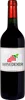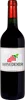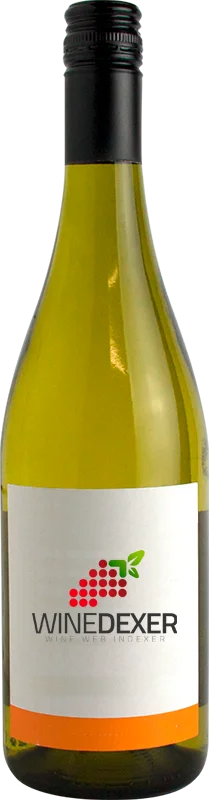
Winery Salvatore PrincipeDolce Rosso
 Sweet wine


This wine generally goes well with poultry, beef or veal.

Food and wine pairings with Dolce Rosso
Pairings that work perfectly with Dolce Rosso



Original food and wine pairings with Dolce Rosso

The Dolce Rosso of Winery Salvatore Principe matches generally quite well with dishes of beef, pasta or veal such as recipes of beef lark, pasta with tuna, garlic and lemon cream or express veal stew in a pressure cooker.
Details and technical informations about Winery Salvatore Principe's Dolce Rosso.
Discover the grape variety: Aidani
Aromatic, fresh whites with a pale golden hue, supple palate and preserved acidity, with delicate notes of white flowers (jasmine, orange blossom), yellow fruits (peach, apricot), citrus, light honey and saline iodine notes. Adds floral roundness to blends. Star of Santorini PDO whites blended with assyrtiko and athiri, and of passito Vinsanto liqueurs. Native Greek variety from the Cyclades (Santorini, Paros).
Last vintages of this wine
The best vintages of Dolce Rosso from Winery Salvatore Principe are 0
Informations about the Winery Salvatore Principe
The Winery Salvatore Principe is one of of the world's great estates. It offers 29 wines for sale in the of Salta to come and discover on site or to buy online.

The wine region of Salta
Argentine northwest province, vineyards among the world's highest (1,500-2,800 m) in the Calchaquí Valleys. Torrontés Riojano signature as king white: aromatic and expressive with signature notes of rose, jasmine, white peach, citrus, orange blossom and a musky touch, dry yet round palate — considered the country's finest. Tense altitude Malbec (blackberry, violet, ink), firm Cabernet, dense Tannat. Dry climate, strong thermal swings.
The word of the wine: Oxidative (breeding)
A method of ageing which aims to give the wine certain aromas of evolution (dried fruit, bitter orange, coffee, rancio, etc.) by exposing it to the air; it is then matured either in barrels, demi-muids or unoaked casks, sometimes stored in the open air, or in barrels exposed to the sun and to temperature variations. This type of maturation characterizes certain natural sweet wines, ports and other liqueur wines.