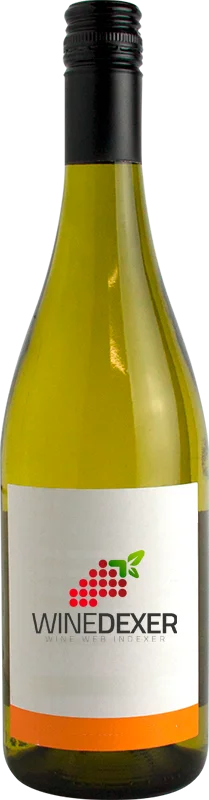
Winery Salto de Las RosasSanta Isabel Clasico Blanco Dulce
 Sweet wine



This wine generally goes well with fruity desserts, pork or lean fish.
Food and wine pairings with Santa Isabel Clasico Blanco Dulce
Pairings that work perfectly with Santa Isabel Clasico Blanco Dulce



Original food and wine pairings with Santa Isabel Clasico Blanco Dulce



The Santa Isabel Clasico Blanco Dulce of Winery Salto de Las Rosas matches generally quite well with dishes of pork, rich fish (salmon, tuna etc) or shellfish such as recipes of croziflette, cod and potato gratin or seafood risotto.
Details and technical informations about Winery Salto de Las Rosas's Santa Isabel Clasico Blanco Dulce.
Discover the grape variety: Chenin blanc
It most certainly originates from the Anjou region and is registered in the official catalogue of wine grape varieties on the A1 list. It can also be found in South Africa, Australia, Argentina, Chile, the United States (California), New Zealand, etc. It is said to be a descendant of Savagnin and to have sauvignonasse as its second parent (Jean-Michel Boursiquot 2019). On the other hand, Chenin blanc is the half-brother of verdelho and sauvignon blanc and is the father of colombard.
Last vintages of this wine
The best vintages of Santa Isabel Clasico Blanco Dulce from Winery Salto de Las Rosas are 2012, 0
Informations about the Winery Salto de Las Rosas
The Winery Salto de Las Rosas is one of of the world's greatest estates. It offers 10 wines for sale in the of Mendoza to come and discover on site or to buy online.

The wine region of Mendoza
Mendoza is by far the largest wine region in Argentina. Located on a high-altitude plateau at the edge of the Andes Mountains, the province is responsible for roughly 70 percent of the country's annual wine production. The French Grape variety Malbec has its New World home in the vineyards of Mendoza, producing red wines of great concentration and intensity. The province Lies on the western edge of Argentina, across the Andes Mountains from Chile.
The word of the wine: Shine
Character of a wine that reflects light with brilliance. The brilliance is enhanced when the wine is decanted.