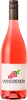
Winery Saint MarcApres la Pluie, Le Beau Temps Ventoux Rosé
 Pink wine



In the mouth this pink wine is a powerful with a nice freshness.
This wine generally goes well with pork, poultry or rich fish (salmon, tuna etc).

Taste structure of the Apres la Pluie, Le Beau Temps Ventoux Rosé from the Winery Saint Marc
Light | Bold | |
Dry | Sweet | |
Soft | Acidic |
In the mouth the Apres la Pluie, Le Beau Temps Ventoux Rosé of Winery Saint Marc in the region of Rhone Valley is a powerful with a nice freshness.
Food and wine pairings with Apres la Pluie, Le Beau Temps Ventoux Rosé
Pairings that work perfectly with Apres la Pluie, Le Beau Temps Ventoux Rosé



Original food and wine pairings with Apres la Pluie, Le Beau Temps Ventoux Rosé

The Apres la Pluie, Le Beau Temps Ventoux Rosé of Winery Saint Marc matches generally quite well with dishes of pork, rich fish (salmon, tuna etc) or shellfish such as recipes of tomatoes stuffed with sausage meat, tuna, goat cheese and mustard pie or flambéed prawns.
Details and technical informations about Winery Saint Marc's Apres la Pluie, Le Beau Temps Ventoux Rosé.
Discover the grape variety: Pascal
Simple, fresh dry whites with a pale golden robe and a supple palate with moderate acidity, with understated aromas of citrus and white flowers. Discreet Provençal rustic profile. Preserved for its heritage value, it survives in a few Provençal heritage plots; studied for its southern ampelographic interest. Also known as Pascal Blanc, an indigenous French white variety from Provence (Var, Bouches-du-Rhône).
Last vintages of this wine
The best vintages of Apres la Pluie, Le Beau Temps Ventoux Rosé from Winery Saint Marc are 2018, 2016
Informations about the Winery Saint Marc
The Winery Saint Marc is one of of the world's great estates. It offers 52 wines for sale in the of Ventoux to come and discover on site or to buy online.

The wine region of Ventoux
High-altitude, cool southern Rhône (below the 1,912 m Giant of Provence): signature reds from Grenache and Syrah — round and supple with notes of cherry, raspberry, garrigue, pepper and a truffle touch with age, melted tannins, natural freshness and easy drinking (vs the sun-baked plains wines). Carignan, Cinsault and Mourvèdre as support. Lively, crunchy rosés (raspberry, flowers). Ample whites of Clairette, Roussanne, Bourboulenc, Vermentino.
The wine region of Rhone Valley
France's 2nd-largest AOC vineyard, two complementary worlds. Northern: pure Syrah in signature reds (Côte-Rôtie, Hermitage, Cornas), deep and peppery with blackberry, violet, black olive and smoked bacon notes, exceptional ageing. Opulent Viognier whites (Condrieu, apricot, flowers) and ample Marsanne-Roussanne. Southern: sun-soaked Grenache blends at Châteauneuf, Gigondas, Vacqueyras (candied fruit, garrigue).
The word of the wine: Cinsault
Cinsault is a southern black grape variety that can be found in the blends of most Mediterranean appellations, but most often as an accessory grape variety. It is undoubtedly most present in certain rosé wines (in Corbières, Côtes-de-Provence, etc.): it gives these wines highly appreciated aromas of strawberry, peach and raspberry. In vin de pays (IGP), it is often vinified on its own, usually as a rosé.