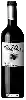
Winery Sabaté i Mur VinatersTorroja Vi de Vila
 Red wine


In the mouth this red wine is a powerful with a nice balance between acidity and tannins.
This wine generally goes well with poultry, beef or game (deer, venison).

Taste structure of the Torroja Vi de Vila from the Winery Sabaté i Mur Vinaters
Light | Bold | |
Smooth | Tannic | |
Dry | Sweet | |
Soft | Acidic |
In the mouth the Torroja Vi de Vila of Winery Sabaté i Mur Vinaters in the region of Catalogne is a powerful with a nice balance between acidity and tannins.
Wine flavors and olphactive analysis


On the nose the Torroja Vi de Vila of Winery Sabaté i Mur Vinaters in the region of Catalogne often reveals types of flavors of oak, spices or red fruit and sometimes also flavors of black fruit.
Food and wine pairings with Torroja Vi de Vila
Pairings that work perfectly with Torroja Vi de Vila



Original food and wine pairings with Torroja Vi de Vila

The Torroja Vi de Vila of Winery Sabaté i Mur Vinaters matches generally quite well with dishes of beef, lamb or game (deer, venison) such as recipes of melt-in-the-mouth pork tenderloin casserole, lamb tagine with apricots or rabbit à la lorientaise.
Details and technical informations about Winery Sabaté i Mur Vinaters's Torroja Vi de Vila.
Discover the grape variety: Cabernet-Sauvignon
Structured, tannic reds, deeply coloured, with aromas of blackcurrant, blackberry, cedar, tobacco and graphite, underpinned by firm acidity and fine ageing potential. Cornerstone of the great Médoc estates (Pauillac, Saint-Estèphe, Saint-Julien) and signature of Napa Valley, Coonawarra and Maipo. The world's most planted red variety, a natural cross of Cabernet Franc x Sauvignon Blanc born in Bordeaux.
Last vintages of this wine

The best vintages of Torroja Vi de Vila from Winery Sabaté i Mur Vinaters are 2007, 2016, 2015, 0
Informations about the Winery Sabaté i Mur Vinaters
The Winery Sabaté i Mur Vinaters is one of of the world's greatest estates. It offers 8 wines for sale in the of Priorat to come and discover on site or to buy online.

The wine region of Priorat
Mythical Catalan terroir, DOCa (Spain's summit alongside Rioja). Powerful, concentrated reds with signature notes of candied black fruits (blackberry, black cherry), graphite, schist, garrigue, cocoa and liquorice, firm tannins and a mineral palate strung by the "llicorella" (black schist and quartz forcing roots down to 20 m). Old vines of Garnacha (roundness) and Cariñena (Samsó, structure). Exceptional ageing.
The wine region of Catalogne
Cradle of Cava (~95% of Spanish output, traditional method): Macabeo, Xarel-lo, Parellada trilogy, fine fruity bubble. Quality peak in Priorat DOCa: dense, mineral reds on llicorella (schist), old-vine Garnacha and Cariñena with black fruit, garrigue notes, firm tannins. Also Penedès, fleshy Montsant, sunny Empordà, Costers del Segre. Mediterranean.
The word of the wine: Champagne rosé
Often obtained by adding red wines (from Champagne), it is even the only vineyard where this practice is allowed. Some producers prefer the practice used in other regions, i.e. a short maceration to extract sufficient colouring matter. This results in winey rosés for meals. Elegant aperitif rosé is more often made from red wine coloured Chardonnay. Rosés can be vintage or non vintage.