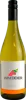
Winery Quinta S. João BatistaPisa a Pé Reserva
 wine
wine
This wine generally goes well with
The Pisa a Pé Reserva of the Winery Quinta S. João Batista is in the top 0 of wines of Ribatejo.
Details and technical informations about Winery Quinta S. João Batista's Pisa a Pé Reserva.
Discover the grape variety: Aromella
Interspecific crossing between traminette and 34 Ravat obtained in 1976 by Bruce Reisch at the Experimental Station of Cornell University in Geneva (United States). It must be noted that this variety can only be found in a few American wine regions, which means that its multiplication is very limited. In France, it is almost unknown.
Last vintages of this wine


The best vintages of Pisa a Pé Reserva from Winery Quinta S. João Batista are 0
Informations about the Winery Quinta S. João Batista
The Winery Quinta S. João Batista is one of of the world's great estates. It offers 16 wines for sale in the of Ribatejo to come and discover on site or to buy online.

The wine region of Ribatejo
The wine region of Ribatejo is located in the region of Tejo of Portugal. Wineries and vineyards like the Domaine Companhia das Lezírias or the Domaine Casa Cadaval produce mainly wines red, white and pink. The most planted grape varieties in the region of Ribatejo are Touriga nacional, Cabernet-Sauvignon and Fernao Pires, they are then used in wines in blends or as a single variety. On the nose of Ribatejo often reveals types of flavors of red fruit, tree fruit or dried fruit and sometimes also flavors of dark fruit, leather or tobacco.
The wine region of Tejo
Tejo is a wine region in CentralPortugal which covers the same area as the Ribatejo province, just inland from the major city of Lisbon. The wine appellation's name was changed from Ribatejo in 2009. The entire region may use the Tejo VR (Vinho Regional) designation, similar to the French IGP/Vin de Pays, while some areas produce wines labeled with the higher-level Do Tejo DOC (Denominação de Origem Controlada). A Warm, Dry area, it is also Portugal's only landlocked region – although it is influenced considerably by the Tejo river.
The word of the wine: Nose
In tasting, this is the second phase, which consists of identifying the wine's aromas and possibly its defects.