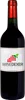
Winery Ruiz TorresAnteros Tinto
 Red wine


In the mouth this red wine is a .
This wine generally goes well with poultry, beef or veal.

Taste structure of the Anteros Tinto from the Winery Ruiz Torres
Light | Bold | |
Smooth | Tannic | |
Dry | Sweet | |
Soft | Acidic |
In the mouth the Anteros Tinto of Winery Ruiz Torres in the region of Estrémadure is a .
Food and wine pairings with Anteros Tinto
Pairings that work perfectly with Anteros Tinto



Original food and wine pairings with Anteros Tinto

The Anteros Tinto of Winery Ruiz Torres matches generally quite well with dishes of beef, lamb or veal such as recipes of beef bourguignon in the oven of nanou, tajine of merguez and potatoes or duck with orange.
Details and technical informations about Winery Ruiz Torres's Anteros Tinto.
Discover the grape variety: Tempranillo
Elegant, structured reds with aromas of strawberry, cherry, plum, leather, blond tobacco and pronounced vanilla from long oak ageing. Ranges from Joven to Crianza, Reserva and Gran Reserva. Star of Rioja DOCa, Ribera del Duero DO and Toro DO, also shines in the Douro as Tinta Roriz/Aragonez. One of the world's most planted Spanish varieties.
Last vintages of this wine

The best vintages of Anteros Tinto from Winery Ruiz Torres are 0, 2016
Informations about the Winery Ruiz Torres
The Winery Ruiz Torres is one of of the world's great estates. It offers 34 wines for sale in the of Estrémadure to come and discover on site or to buy online.

The wine region of Estrémadure
Autonomous community of western Spain, the 2nd largest national vineyard (~87,000 ha) with excellent value for money. Tempranillo signature in red: round and accessible with signature notes of ripe cherry, plum, soft vanilla, leather and a spicy touch, supple tannins. Sun-drenched Garnacha, colourful Bobal, firm Cabernet complete the line-up. Vivid Cayetana and Pardina whites (citrus, flowers).
The word of the wine: Terroir
Strictly speaking, the notion of terroir corresponds to the geological characteristics of a vineyard. However, when we talk about terroir, we take into account the soil, the climate (even the microclimate), the flora, the fauna, and the human factor that characterizes the practices that make up the art of the craft.